 |
|  |
|  |
|  |
| 
E-mail: kobol@jfbathroom.com

Tel: (86)768-2992129


NEWS CENTER
—
The Rise of Smart Toilets in South American Luxury Real Estate Projects

In the rapidly evolving landscape of South American luxury real estate—from the soaring penthouses of São Paulo to the exclusive coastal enclaves of Chile—the definition of 'premium' is undergoing a sophisticated transformation. For years, luxury was signaled by the weight of marble and the shine of gold fixtures; today, it is defined by intelligence, hygiene, and seamless integration.
As developers across the continent compete for a tech-savvy, globally-minded clientele, the bathroom has emerged as the new frontier for innovation. Smart toilets are no longer just a futuristic novelty; they are becoming a non-negotiable standard for high-end residential and hospitality projects. This shift isn’t merely about aesthetics—it represents a strategic convergence of modern wellness trends and advanced engineering solutions designed to thrive within the unique infrastructure of South America’s most ambitious architectural landmarks.
The Luxury Shift: Why South American Developers are Choosing Smart Toilets
Meeting the Demands of the Modern 'Tech-Savvy' Homebuyer
Today’s luxury homebuyers in South American hubs like São Paulo, Santiago, and Bogotá are no longer satisfied with mere prestige; they demand 'frictionless living.' These individuals are digitally native and globally connected, often having experienced the pinnacle of smart-home integration during international travel. For them, the bathroom has transitioned from a functional utility into a private sanctuary where technology enhances daily wellness.
Integrating smart toilets into high-end residential projects directly addresses this demographic’s expectation for automated comfort. Features such as motion-activated lids, personalized cleansing settings, and intuitive remote interfaces are no longer viewed as 'extras'—they are essential markers of a modern, intelligent home. By incorporating these touchless technologies, developers signal a commitment to innovation that resonates with the sophisticated tastes of the 2026 market.
This isn't just about a fixture; it’s about creating an experience that mirrors the smart ecosystems these residents already use to manage their security and climate. In a competitive luxury landscape, meeting these tech-forward expectations is a powerful differentiator for capturing the attention of high-value investors.
Hygiene as the New Standard for Premium Hospitality
In the wake of global health awareness, the hospitality sector in South America is redefining luxury through the lens of 'clinical hygiene.' For 5-star hotels and premium condominium developments, a bathroom is no longer judged solely by its aesthetic finishes, but by its ability to provide a touchless, self-sanitizing environment. This 'Wellness First' approach has turned smart toilets into a core amenity for high-traffic luxury spaces.
Modern smart toilets incorporate medical-grade features such as UV-C sterilization for nozzles, automated pre-misting to prevent waste adhesion, and advanced touchless sensors that eliminate common contact points. Furthermore, the emphasis on hygiene extends to the material science itself. Developers are prioritizing ultra-smooth, non-porous ceramic surfaces—achieved through precise high-temperature firing processes—that actively resist bacterial growth and limescale buildup.
By integrating these technologies, hospitality brands and developers offer guests more than just comfort; they provide peace of mind. In a market where safety is now a hallmark of prestige, these intelligent systems ensure that luxury and health are inextricably linked, creating a superior stay experience that justifies premium room rates.
Sustainable Building Certifications and Water Efficiency
As environmental stewardship becomes a cornerstone of high-end urban planning in South America, developers are increasingly pursuing LEED and EDGE certifications to attract eco-conscious investors. In this context, smart toilets have evolved from a luxury amenity into a high-performance tool for water conservation.
By integrating precision-engineered flushing systems and intelligent dual-flush sensors, these units significantly reduce per-capita water consumption. Unlike traditional fixtures, smart toilets utilize advanced internal mechanisms—often including integrated pressure-assist technology—to ensure a powerful, hygienic flush using a fraction of the water. This efficiency is critical for meeting the stringent metrics required by international green building standards.
Furthermore, the longevity of these fixtures adds a layer of 'circular' sustainability. High-temperature ceramic engineering creates a surface so durable and non-porous that it minimizes the need for harsh chemical cleaners, protecting local water systems from runoff. For a developer, the ability to market a project as both technologically advanced and environmentally responsible is a powerful differentiator. In a region where water security is an increasing priority, these intelligent systems prove that uncompromising luxury can align perfectly with meaningful ecological impact.
Technical Innovations Overcoming Regional Infrastructure Hurdles
Integrated Tank Systems for High-Rise Pressure Challenges
In the vertical landscape of South American metropolises like Bogotá and Panama City, high-rise luxury developments often face a common engineering hurdle: inconsistent water pressure. Traditional gravity-fed toilets frequently underperform on upper floors, leading to recurring maintenance issues and a diminished user experience.
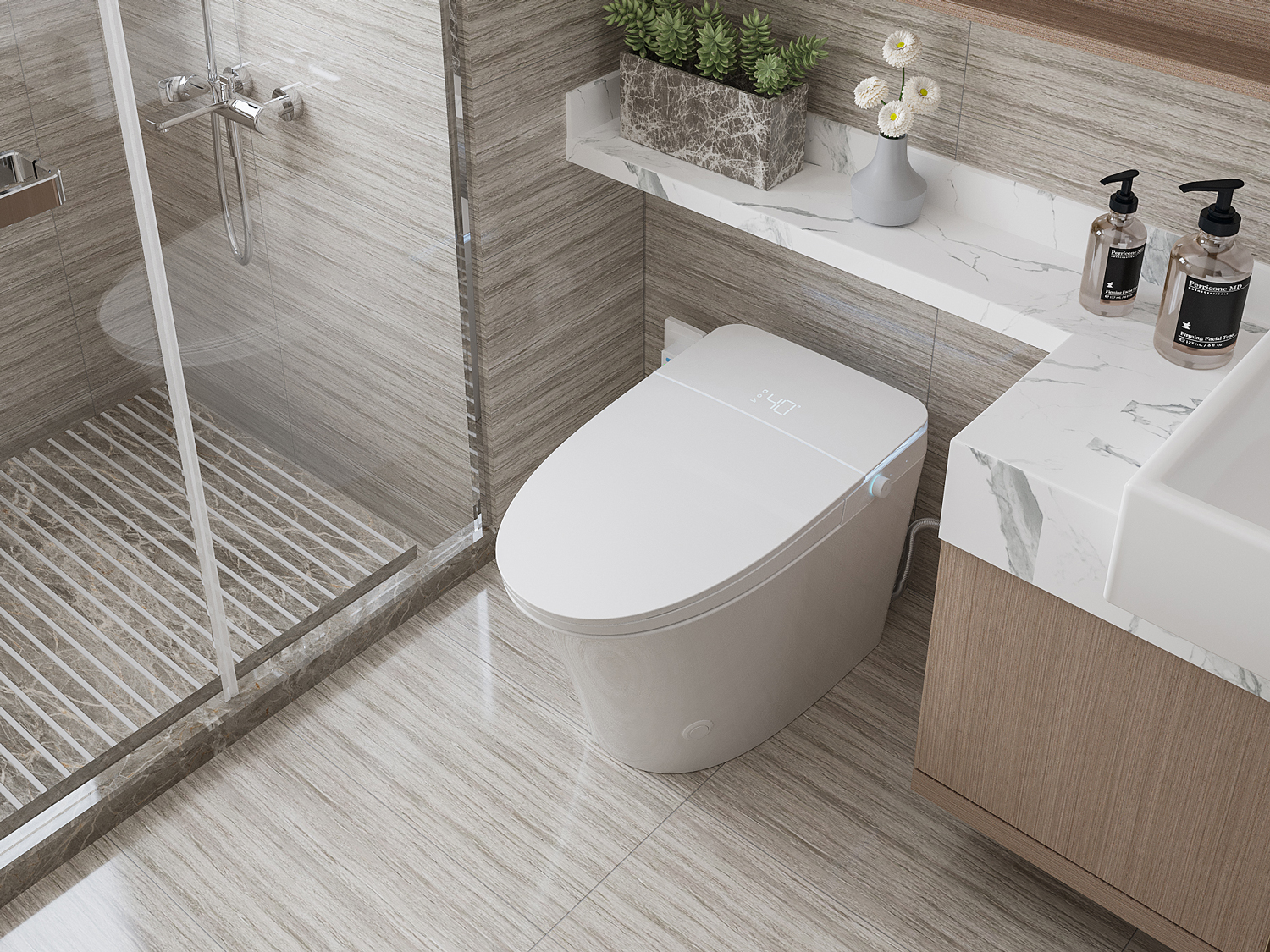
To solve this, leading developers are pivoting toward integrated tank technology. Like Joy & Fortune, their smart systems feature a built-in, pressurized water chamber that operates independently of the building’s static pressure. By utilizing an internal pump and precise electronic valves, the system ensures a powerful, 360-degree siphon flush every single time—even in penthouses where municipal pressure might lag. This hardware-driven solution eliminates the need for bulky external booster pumps, saving valuable square footage while providing the 'quiet power' that luxury residents expect. For a developer, this means fewer plumbing complaints and a sophisticated mechanical edge in a competitive market.
Advanced Ceramic Engineering: The 1280°C Difference
The foundation of a premium bathroom fixture lies in its molecular density. In the humid climates of South America, low-quality ceramics often suffer from 'crazing' or micro-cracks that harbor bacteria and odors. To combat this, leading manufacturers utilize a 1280°C high-temperature firing process, which is significantly higher than standard commercial grade.
This extreme heat triggers a complete vitrification of the clay, transforming it into an ultra-dense, non-porous material with a water absorption rate near zero. When combined with specialized formulas like Joy & Fortune 'PremiGlaze,' the result is a self-cleaning surface that is physically smoother than glass. For luxury developers, this technical specification is a critical selling point: it ensures the product maintains its 'showroom shine' and structural integrity for decades, even under the heavy usage demands of high-end hotels or large-scale residential projects.
Plug-and-Play Installation for International Contractors
One of the most significant barriers to adopting advanced technology in international luxury projects is the complexity of installation. However, modern smart toilets have evolved into 'plug-and-play' systems that bridge the gap between sophisticated engineering and local construction realities.
By utilizing universal standardized electrical connectors, these units allow local contractors in South American markets to complete installations with minimal specialized training. This modular design significantly reduces the 'labor-hour per unit' metric, which is a critical factor for developers managing hundreds of apartments simultaneously.

Maximizing ROI: How Smart Bathrooms Drive Property Value
Increasing 'Price Per Square Meter' Through Innovation
In the high-stakes luxury real estate markets of Buenos Aires or Montevideo, property differentiation is measured in the finer details. Integrating smart toilets allows developers to justify a higher price per square meter by moving the bathroom from a 'utility zone' to a 'high-tech feature.'
While luxury buyers expect premium stone and cabinetry, those materials are now considered baseline. In contrast, visible innovations—like a sleek, tankless smart toilet—serve as a high-impact 'anchor' for a premium sales pitch. These fixtures provide a high perceived value that often exceeds their actual procurement cost, offering a superior return on investment compared to expansive layout changes. By positioning a project as an 'Intelligent Residence,' developers can capture a price premium from investors who view technology as a safeguard for the property’s future resale value.
Long-Term Maintenance Savings for Property Managers
For property managers and luxury developers, the true value of smart toilets lies in their operational longevity. In large-scale South American developments, the 'hidden' costs of traditional plumbing—such as constant service calls for minor clogs or mineral buildup—can erode profit margins over time.
Smart toilets mitigate these risks through built-in diagnostics and advanced self-cleaning cycles. Features like automatic descaling and water filter prevent the internal hardware from degrading in regions with varying water quality. This 'predictive maintenance' approach means fewer emergency plumbing interventions and a significantly extended lifecycle for the fixtures. By reducing the frequency of repairs and the associated labor costs, building management can maintain a pristine resident experience while lowering the overall Total Cost of Ownership (TCO). In the long run, these intelligent systems transform the bathroom from a maintenance liability into a stable, high-performance asset.
The 'Wow Factor' in Virtual and Physical Showrooms
In the digital-first landscape of 2026, international investors often make purchasing decisions from thousands of miles away. For these buyers, high-definition virtual tours and physical showrooms must communicate quality instantaneously. A sleek, minimalist smart toilet serves as a powerful visual shorthand for an 'all-inclusive luxury' philosophy.
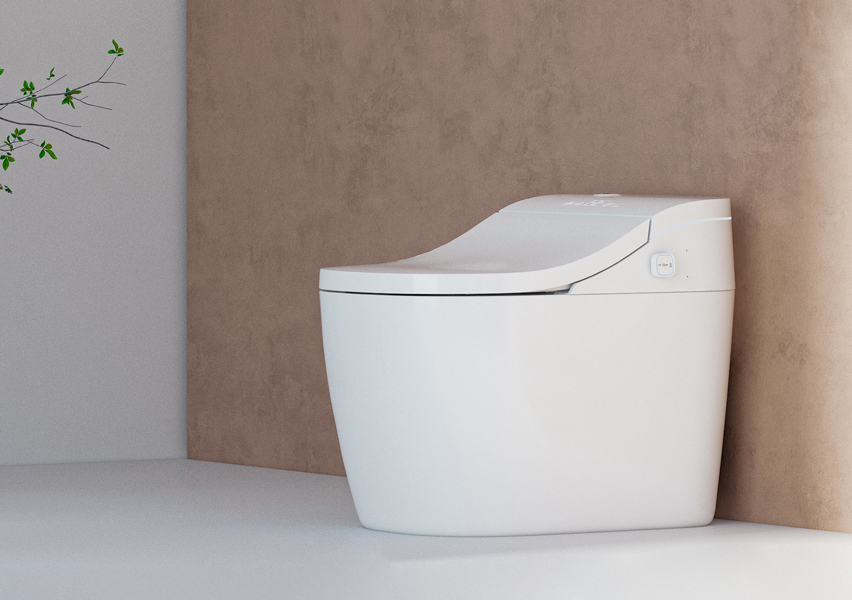
While a traditional toilet is often hidden in marketing materials, a smart toilet—with its glowing LED nightlights and streamlined, tankless silhouette—becomes a centerpiece that signals a property’s modernity. This attention to detail assures remote buyers that the developer hasn't cut corners on the unseen infrastructure, building the essential trust needed to close high-value, off-plan sales in a competitive global market.

Selecting the Right B2B Partner for South American Projects
Navigating Logistics and Supply Chain Reliability
Successfully executing a luxury development in South America requires more than just a high-end product; it demands a partner who understands the complexities of trans-regional logistics. Navigating the shipping lanes from global manufacturing hubs to major ports like Santos in Brazil or San Antonio in Chile involves managing strict lead times and intricate customs regulations.
A reliable B2B partner provides a localized supply chain strategy that accounts for these variables, ensuring that high-density projects remain on schedule. By maintaining robust production capacities and offering real-time tracking, a dedicated supplier mitigates the risk of costly construction delays. For developers, this reliability is the backbone of project profitability. Working with a manufacturer that possesses a proven track record of delivering bulk orders to South American markets ensures that the vision for a 'smart' luxury project is never compromised by logistical bottlenecks.
Customization and OEM Services for Signature Developments
For signature luxury developments, a 'one-size-fits-all' approach rarely suffices. Architects and interior designers in South America’s high-end market often seek bespoke elements that align with a project’s unique brand identity. This is where a B2B partner with rapid prototyping capabilities becomes indispensable.
Whether it is a specific matte finish to match a custom stone vanity or a streamlined silhouette for a boutique hotel, a manufacturer equipped with 3D modeling and advanced molding technology can turn a concept into a physical sample in record time. This agility allows developers to iterate on designs without the traditional long-lead delays of mass production. By offering high-level OEM and ODM services, a partner empowers developers to market 'exclusive' bathroom suites that cannot be found elsewhere, adding a layer of rarity and custom craftsmanship that is the true hallmark of 21st-century luxury real estate.
Ensuring Compliance with Local and International Standards
Navigating the regulatory landscape of South American construction requires more than just high-end aesthetics; it demands rigorous adherence to international safety and performance standards. For a developer, the risk of a project being stalled by non-compliant fixtures is a costly liability. This is why partnering with a manufacturer that prioritizes global certifications—such as CE, cUPC, or WaterMark—is a critical strategic move, like Joy & Fortune.
These certifications serve as a 'universal passport,' ensuring that the electronic components, water-backflow prevention systems, and structural integrity of each smart toilet meet the high bar set by insurance providers and municipal building codes. Beyond legal compliance, these standards offer a layer of quality assurance to the end-user. In the competitive luxury real estate market, being able to document that every bathroom fixture meets top-tier global benchmarks is a powerful way to build trust with high-net-worth investors and international hospitality brands.
As the skylines of South America’s greatest cities continue to reach new heights, the definition of luxury is being rewritten from the inside out. We are moving past an era where opulence was measured by square footage alone, entering a chapter where the true mark of a premium residence is its intelligence, efficiency, and uncompromising attention to the human experience.
For developers, architects, and investors, the rise of smart toilets is more than a fleeting trend; it is a strategic response to a global shift in lifestyle and hygiene. By integrating advanced ceramic engineering with intuitive, touchless technology, today’s visionary projects are doing more than just building apartments—they are crafting sanctuaries that anticipate the needs of tomorrow’s elite homeowners. In the competitive race for the 'next generation' of luxury real estate, those who embrace these smart innovations today will be the ones setting the gold standard for decades to come. The future of South American living is no longer just high-end—it is high-intelligence.
Related news
-

Public bidets vs. traditional toilet paper: Which is hygienic in a shared restroom
Stepping into a high-traffic shared restroom often comes with a subtle hesitatio
-
What are the best toilet brands for reliability, durability, and budget?
Few fixtures in your home work harder or impact your daily comfort more than the
-
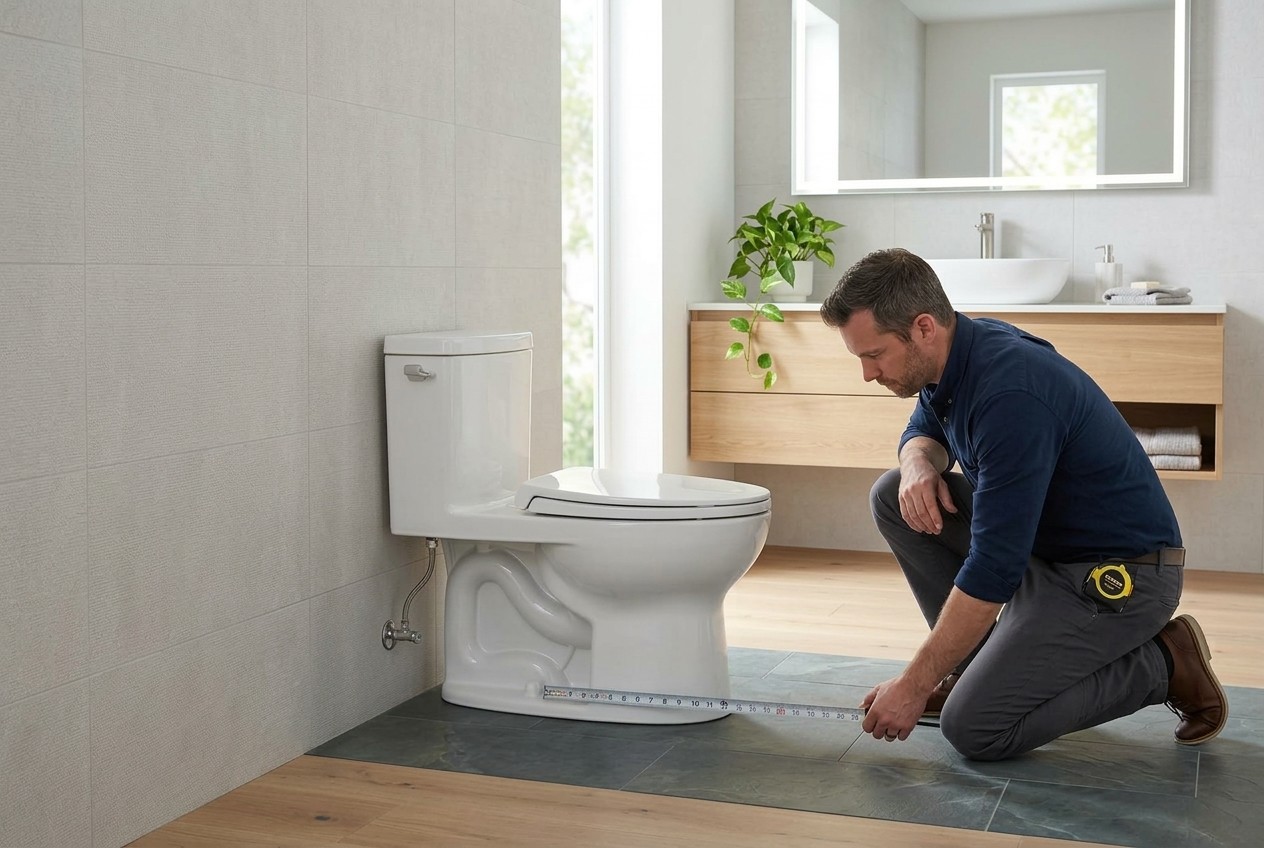
How do I measure my old toilet to make sure the new replacement fits perfectly
Upgrading your bathroom with a modern fixture should be an exciting renovation—n
-
What does "toilet rough-in" mean, and how do I measure mine in 2 minutes?
A toilet rough-in is the clearance distance measured from the finished wall behi
-
Why are cheap bathroom vanities so cheap? Hidden traps like low-grade particle board and missing tops.
At first glance, an ultra-low price tag on a brand-new bathroom vanity feels lik
-
Big-box home store vs. online discount retailers: Where do you get the best deal on bathroom vanities?
Upgrading your bathroom vanity is one of the most impactful choices in any renov




Premium sanitary ware manufacturer since 1992. Delivering reliable global B2B solutions.


Contact
Address: No. 12, Guayuan East Road, Changmei Second Village, Fengxi District, Chaozhou City, Guangdong Province, China
Email: kobol@jfbathroom.com
WhatsApp/Tel: [+86-135-3399-8998]
Working Hours: Mon - Sat: 9:00 AM - 6:00 PM (UTC+8)
Copyright © 2026 Joy&Fortune Ltd. All Rights Reserved.


