 |
|  |
|  |
|  |
| 
E-mail: kobol@jfbathroom.com

Tel: (86)768-2992129


NEWS CENTER
—
Public bidets vs. traditional toilet paper: Which is hygienic in a shared restroom
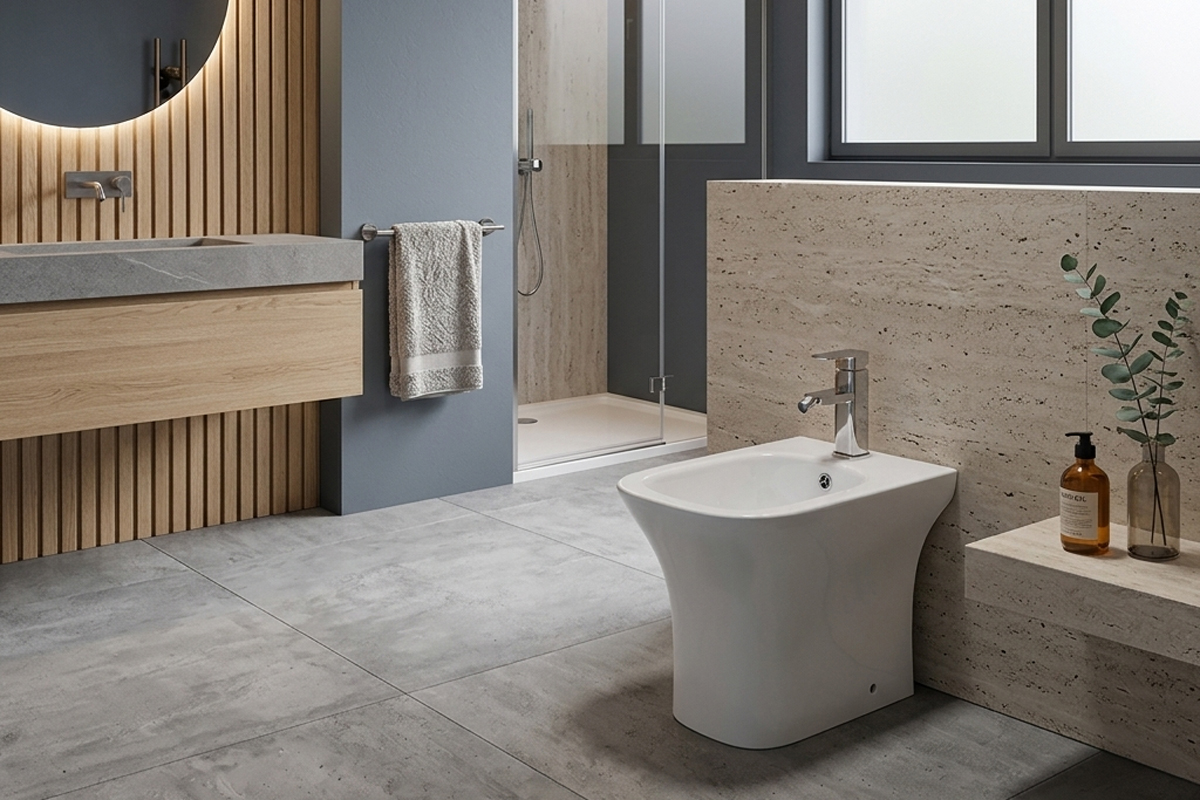
Stepping into a high-traffic shared restroom often comes with a subtle hesitation: when it comes to personal hygiene, should you rely on traditional dry toilet paper or trust the growing presence of public bidets? While paper has long been the familiar default, rising concerns over cross-contamination, bacterial spread, and skin health have sparked a global debate among facility managers and hygiene-conscious patrons alike.
At Joy & Fortune, as a premier manufacturer dedicated to engineering state-of-the-art, ultra-sanitary bidet solutions for commercial and shared spaces, we constantly examine the science behind real-world restroom sanitation. Is dry wiping genuinely safer, or can advanced water-cleansing technology deliver a vastly superior standard of cleanliness? In this comprehensive guide, we dissect the microbiology, cross-contamination risks, and environmental health impacts of both methods—revealing why modern bidet engineering is redefining hygiene in high-occupancy facilities.

The Core Cleaning Mechanics: Water vs. Friction in Public Facilities
When evaluating sanitation in shared restrooms, the debate between public bidets and traditional toilet paper ultimately comes down to a fundamental clash of mechanics: fluid dynamics versus dry friction. While many consumers rely on paper out of habit, physics and microbiology tell a very different story. Water acts as a universal solvent that gently dissolves waste and washes away pathogens, whereas dry toilet paper relies on abrasive mechanical scraping that risks smearing bacteria and causing microscopic skin tears. Backed by microbiological studies on bacterial wash-off efficiency, examining these core cleaning mechanisms reveals why water-based cleansing provides a vastly cleaner, safer, and more hygienic baseline in high-traffic facilities.
Water-Based Cleansing: Why H2O Superiorly Dissolves Pathogens
Water acts as a universal solvent, making hydro-cleansing fundamentally superior to dry wiping. When targeted at the perianal area, fluid dynamics and surface tension work together to break down organic matter and lift bacterial pathogens directly off the skin.
Unlike dry paper, which relies on surface contact and often presses residue deeper into microscopic skin folds, a focused water stream effectively dissolves and flushes away waste without physical friction. Additionally, water cleanses without disrupting the delicate natural skin barrier, drastically reducing the risk of micro-fissures and localized irritation. By washing away microorganisms rather than smearing them, water provides a vastly cleaner, safer, and more hygienic baseline for public restrooms.
Dry Toilet Paper Friction: Smearing, Micro-Tears, and Residual Feces
Dry toilet paper relies entirely on mechanical friction, making it fundamentally inefficient for thorough sanitation. Instead of removing fecal matter, dry wiping frequently results in toilet paper smearing bacteria across delicate perianal tissue, redistributing pathogens rather than eliminating them.
Furthermore, aggressive or repetitive wiping causes perianal micro tears, small skin fissures that compromise the body’s natural cutaneous barrier. These microscopic abrasions create direct entry points for bacteria, significantly increasing the likelihood of localized irritation, inflammation, and infection. In high-traffic shared restrooms where hygiene is critical, relying solely on dry friction leaves behind microscopic residual contamination, offering only the illusion of cleanliness while physically stressing sensitive skin.
Bacterial Wash-Off Efficiency: What Microbiology Studies Reveal
Microbiological research consistently demonstrates that water rinsing offers superior bacterial wash-off efficiency compared to dry paper. Studies examining toilet paper bacteria counts show that mechanical wiping leaves behind substantial bacterial loads, including E. coli, embedded in cutaneous folds and easily transferred onto hands.
Conversely, bidet bacterial reduction studies reveal that targeted water flow significantly lowers perianal microbial concentration while preventing hand-to-site cross-contamination. By leveraging fluid dynamics to flush away transient pathogens rather than pressing them into the skin, water washing reduces viable colony-forming units far more effectively than multiple paper wipes. Ultimately, clinical data confirms that water-based hygiene achieves a level of microbial reduction that dry friction simply cannot replicate in shared facilities.
Shared Restroom Concerns: Cross-Contamination and Bidet Sanitation
While the personal hygiene benefits of water washing are clear, sharing a bidet in a high-traffic facility often raises understandable anxieties about cross-contamination. Concerns over nozzle cleanliness, wastewater splashback, and heavily touched control interfaces frequently lead patrons to assume dry toilet paper is the safer default. However, modern commercial bidets are explicitly engineered to solve these shared-space challenges. By examining automated self-sanitization, low-aerosol fluid dynamics, and touchless control panels, it becomes evident that shared bidets actively prevent germ transmission far more effectively than exposed toilet paper rolls and manual dispensers.
Nozzle Hygiene and Automated Self-Cleaning Protocols
Modern commercial bidets directly address cross-contamination fears through automated engineering. A primary innovation in public bidet nozzle hygiene is the automated self-cleaning protocol. Before and after every use, the nozzle undergoes a thorough internal and external rinse with sanitizing or electrolytic water.
Additionally, advanced self cleaning bidet public restroom systems feature fully retractable nozzles guarded by protective gates, keeping them shielded from urine or fecal splatter when idle. High-occupancy models frequently incorporate UV-C sterilization lights and anti-microbial silver-nano coatings to continuously destroy surface bacteria. Far from being vectors for germs, these engineered systems maintain rigorous self-sanitizing standards, ensuring every stream delivered to the user is fresh, hygienic, and completely isolated from previous users.
Aerosolization and Water Splashback Risks in High-Traffic Restrooms
Concerns regarding public bidet aerosolization and wastewater splashback often cause hesitation in shared facilities. However, the fluid dynamics of a bidet differ vastly from high-pressure toilet flushes that create airborne microbial plumes.
Commercial bidets utilize precise, low-pressure streams directed at optimized angles to prevent water atomization. Consequently, the bidet splashback germ risk is effectively mitigated: clean water hits the target zone and flows directly into the bowl rather than misting into the air or bouncing backward. Because the stream draws exclusively from fresh water supplies rather than bowl water, droplet cross-contamination in high-traffic restrooms is negligible, offering a controlled and highly sanitary experience.
Touchpoint Contamination: Paper Dispensers vs. Bidet Remote Panels
Cross-contamination risks in public restrooms often stem from high-touch surfaces rather than water nozzles. Studies reveal that toilet paper dispenser bacteria counts are strikingly high, as unsealed rolls, serrated edges, and manual levers are repeatedly touched by unwashed hands.
Conversely, modern commercial facilities prioritize surface sanitation. Smart designs utilize non-porous, waterproof panels or motion-activated sensors, drastically optimizing bidet remote hygiene shared bathroom standards. Smooth bidet interfaces are effortlessly disinfected by janitorial staff, whereas porous toilet paper absorbs ambient moisture and airborne microbes. By minimizing high-friction touchpoints and offering touchless controls, bidet interfaces significantly lower hand-to-surface pathogen transmission compared to traditional paper dispensers.

Health and Environmental Impacts in High-Occupancy Spaces
Beyond immediate personal sanitation, the choice between public bidets and traditional toilet paper profoundly affects user health and the broader restroom environment in high-occupancy facilities. While dry wiping is often treated as the conventional default, it introduces hidden dermatological and environmental drawbacks—ranging from chronic skin irritation and heightened infection risks to airborne cellulose dust that transports bacteria throughout stall air spaces. Furthermore, reliance on excessive toilet paper frequently triggers severe operational biohazards, including clogged plumbing and unsanitary sewage overflows. Exploring these physical health, air quality, and facility upkeep impacts highlights why transitioning to water-based sanitation offers a holistic upgrade for shared commercial spaces.
Anorectal Health and Irritation: Dry Wiping vs. Hydro-Therapy
From a dermatological and anorectal health perspective, hydro-therapy consistently outperforms dry toilet paper in high-occupancy environments. Chronic skin irritation dry wiping causes can exacerbate hemorrhoid flare-ups and pruritus ani (anal itching) by repeatedly abrading delicate mucous membranes and leaving microscopic fecal residue behind.
Conversely, a gentle bidet water stream cleanses thoroughly without physical friction, preserving the skin’s natural lipid barrier and delicate tissue integrity. Furthermore, when analyzing bidet vs toilet paper UTI risk, targeted water cleansing helps wash away transient E. coli and other bacteria from the perineal area rather than dragging them forward. By replacing harsh mechanical scraping with soothing hydro-therapy, public bidets significantly diminish localized inflammation and infection risks for users.
Pathogen Dispersion: Airborne Dust, Paper Particles, and Aerosols
Tearing low-grade commercial toilet paper releases invisible clouds of fine cellulose fibers into the air. Research indicates this toilet paper dust bacteria binding creates microscopic particulate plumes that remain suspended in enclosed stall spaces.
As patrons pull and tear paper, thousands of airborne fibers scatter, transporting skin flora and fecal pathogens onto stall walls, door handles, and inhalable air zones. This significantly increases the burden of airborne germs shared restroom environments foster. Conversely, public bidets eliminate mechanical paper friction entirely, stopping lint dust generation at the source. By preventing microbial-laden particulates from circulating, water-based sanitation maintains superior indoor air quality and reduces widespread cross-surface contamination in high-traffic facilities.
Facility Sanitation: Clogged Plumbing vs. Moisture Management
From a facility operational perspective, toilet paper clogging hygiene presents a severe sanitation hazard in high-traffic restrooms. Overuse of paper leads to frequent plumbing blockages, causing sewage overflows that submerge stall floors in heavily contaminated wastewater and trigger widespread microbial contamination.
Conversely, public bidets eliminate paper-induced sewage backups entirely. While water usage introduces potential seat moisture, modern commercial systems effectively mitigate this through hydrophobic seat coatings, warm-air drying, and integrated drainage. By replacing unsanitary plumbing overflows with controlled moisture management, bidets drastically streamline public restroom sanitation maintenance, protecting shared facilities from major biohazards and maintaining cleaner, safer overall floor environments.

The Final Verdict and Best Practices for Shared Bathrooms
After weighing the microbiological evidence, automated engineering features, and overall health impacts, the debate surrounding shared restroom hygiene reaches a definitive conclusion. While public bidets equipped with modern self-sanitizing protocols emerge as the clear winner for superior sanitation, achieving maximum personal cleanliness ultimately depends on user technique. Whether you have access to a state-of-the-art commercial bidet or must rely on traditional toilet paper, adopting smart habits is essential for eliminating cross-contamination. By combining our final verdict with actionable best practices for both cleaning methods, users can navigate shared facilities with confidence and maintain the highest standards of hygiene.
The Verdict: Which Cleaning Method Reigns Supreme in Public Spaces?
Evaluating hygiene, clinical research, and facility maintenance leads to a clear public bidet hygiene verdict: water-based cleansing is overwhelmingly superior. When asking are public bidets cleaner than toilet paper, evidence shows that automated commercial bidets dissolve waste, eliminate abrasive skin friction, and reduce microbial loads far more effectively than dry paper.
Furthermore, modern engineered features like UV nozzle sterilization and self-rinsing cycles completely negate traditional cross-contamination concerns. Dry toilet paper merely smears pathogens, generates airborne dust, and causes frequent plumbing blockages. For shared restrooms seeking optimal sanitation, public bidets equipped with self-sanitizing technology reign supreme, providing a cleaner, healthier, and vastly more hygienic experience for every user.
Best Practices for Using Public Bidets Without Germ Spread
Following a practical public bidet safety checklist ensures optimal personal hygiene when utilizing shared facilities. First, trigger the pre-rinse function—or allow automated motion sensors to activate the nozzle self-cleaning cycle—before sitting. Maintain a proper seated position to ensure the targeted water stream aligns accurately without creating splashback.
When adjusting spray intensity or temperature, utilize touchless sensors or clean control panels. After rinsing, complete the process using the unit’s integrated warm-air dryer or by gently patting dry with a minimal amount of paper. Knowing how to use public bidet safely empowers users to maximize the sanitary benefits of hydro-cleansing while eliminating cross-contamination concerns in commercial restrooms.
Smart Toilet Paper Habits for Maximum Cleanliness
For users relying on toilet paper in public restrooms, following hygienic toilet paper habits public restroom environments demand is essential for minimizing pathogen exposure. First, always discard the exposed outer sheets of a roll, as they absorb ambient airborne microbes and splatter.
Second, strict wipe front to back hygiene must be practiced to prevent transferring fecal bacteria toward the urinary tract, significantly reducing UTI risks. Avoid aggressive dry rubbing, which damages sensitive skin barriers; instead, fold paper into thick layers and use a gentle patting motion. Finally, pair proper wiping technique with thorough 20-second handwashing to ensure maximum cleanliness when water cleansing is unavailable.

When weighing microbiological evidence, fluid dynamics, and long-term facility health, the choice between public bidets and traditional toilet paper is clear. Relying on dry paper friction is an outdated approach that smears bacteria, causes microscopic skin abrasion, and contaminates stall air with airborne cellulose dust. In contrast, modern commercial bidets leverage fluid mechanics and automated self-sanitization to provide a superior, gentle, and scientifically proven standard of cleanliness in shared environments.
At Joy & Fortune, we are committed to driving this shift toward safer, elevated public sanitation. By fusing advanced self-cleaning nozzles, UV sterilization, and intuitive touchless engineering, our high-performance bidet systems eliminate cross-contamination concerns while dramatically improving overall restroom maintenance. Whether you are upgrading a commercial facility or advocating for better public health standards, Joy & Fortune offers the state-of-the-art hygiene solutions required for high-occupancy spaces. Explore our product line today to bring ultra-sanitary, modern hydro-cleansing to your shared restrooms.
Related news
-

The hidden germ hotspots on public bidets (and how to use them safely without picking up bacteria)
In an era where personal hygiene standards are rapidly evolving, bidets have tra
-
Public bidets vs. traditional toilet paper: Which is hygienic in a shared restroom
Stepping into a high-traffic shared restroom often comes with a subtle hesitatio
-
What are the best toilet brands for reliability, durability, and budget?
Few fixtures in your home work harder or impact your daily comfort more than the
-
How do I measure my old toilet to make sure the new replacement fits perfectly
Upgrading your bathroom with a modern fixture should be an exciting renovation—n
-
What does "toilet rough-in" mean, and how do I measure mine in 2 minutes?
A toilet rough-in is the clearance distance measured from the finished wall behi
-
Why are cheap bathroom vanities so cheap? Hidden traps like low-grade particle board and missing tops.
At first glance, an ultra-low price tag on a brand-new bathroom vanity feels lik





Premium sanitary ware manufacturer since 1992. Delivering reliable global B2B solutions.


Contact
Address: No. 12, Guayuan East Road, Changmei Second Village, Fengxi District, Chaozhou City, Guangdong Province, China
Email: kobol@jfbathroom.com
WhatsApp/Tel: [+86-135-3399-8998]
Working Hours: Mon - Sat: 9:00 AM - 6:00 PM (UTC+8)
Copyright © 2026 Joy&Fortune Ltd. All Rights Reserved.


