 |
|  |
|  |
|  |
| 
E-mail: kobol@jfbathroom.com

Tel: (86)768-2992129


NEWS CENTER
—
Heated toilet seat vs. soft/padded seat: Which is the best way to keep your toilet warm in winter?

Winter mornings are tough enough without the sudden, breath-taking shock of sitting on an ice-cold toilet seat. As temperatures drop, turning your bathroom into a warm, comfortable sanctuary becomes a top winter priority. But when it comes to upgrading your fixture, which solution actually offers the best performance?
At Joy & Fortune, with years of specialized engineering and manufacturing expertise in premium sanitary ware, we frequently guide homeowners and trade partners through this exact dilemma. The two main contenders—active electronic heated seats and traditional soft, padded cushion seats—approach warmth in fundamentally different ways. In this guide, we break down how both options handle comfort, hygiene, installation, and long-term value, helping you choose the perfect warm seat for your bathroom this season.
Understanding the Options: Heated vs. Soft/Padded Toilet Seats
Nothing ruins a cold winter morning quite like the sudden shock of an ice-cold toilet seat. To solve this frozen bathroom dilemma, most people turn to two primary contenders: high-tech electronic heated seats and traditional soft, padded cushion seats. While both effectively eliminate that initial chill, they operate on completely different principles—active electrical heating versus passive thermal insulation. Understanding how each option works and how they stack up against each other is the first step toward finding your ideal cold-weather bathroom upgrade.
What Is a Heated Toilet Seat and How Does It Work?
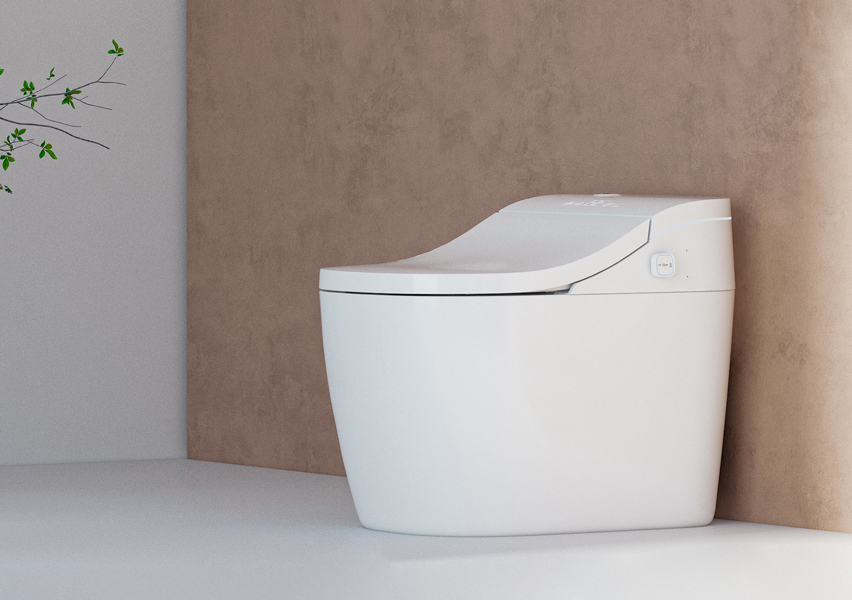
A heated toilet seat is an electronic bathroom fixture designed to keep the seating surface at an adjustable, comfortable temperature. Powered by a standard GFCI electrical outlet, it uses low-voltage heating elements embedded within an ergonomic plastic shell to deliver consistent thermal warmth.
Users can easily customize heat levels via side panels or wireless remotes. Many modern smart toilet seat models also include energy-saving eco modes, motion sensors, nightlights, and bidet functions. Unlike passive alternatives, an electric toilet seat warmer actively counters freezing winter temperatures, providing instant, controllable warmth the moment you sit down.
What Is a Soft/Padded Toilet Seat and How Does It Work?
A soft or padded toilet seat is a non-electric seat warmer that uses high-density foam encased in a flexible vinyl cover to provide a cushioned, room-temperature surface. Unlike hard plastic or ceramic, the soft foam acts as a thermal insulator, preventing the rapid transfer of body heat and eliminating the shock of a freezing seat during winter.
Installed just like a traditional seat using standard hardware, a soft cushion toilet seat offers a budget-friendly, passive warming solution. It requires no electricity or plumbing modifications, making it ideal for renters or bathrooms without nearby outlets, while also providing gentle pressure relief for added sitting comfort.
Heated vs. Soft Toilet Seats: Key Differences at a Glance
Comparing active heated seats with passive padded seats reveals distinct advantages depending on your budget and bathroom setup:
Feature | Heated Toilet Seat | Soft/Padded Seat |
Heat Source | Active (Electric heating) | Passive (Foam thermal insulation) |
Price Range | $80 – $300+ | $15 – $40 |
Installation | Requires nearby GFCI outlet | Standard bolt-on (No outlet) |
Durability | 5–10 years | 1–2 years (Vinyl wear) |
Hygiene | Smooth, easy-wipe plastic | Vinyl seams need careful cleaning |
While electric heated seats offer luxury and customizable temperature control, soft padded seats provide a simple, non-electric warmth alternative at a fraction of the cost.

Detailed Comparison: Key Performance Factors
Choosing between a heated and a padded toilet seat comes down to more than just avoiding a morning shock—it's about how well each seat fits your lifestyle, bathroom setup, and daily maintenance habits. To make an informed decision, you need to weigh three core performance factors: warmth delivery, installation requirements, and long-term hygiene. While electric models offer active temperature control with specific power needs, padded seats prioritize effortless setup but carry trade-offs in durability and sanitation.
Comfort and Warmth Delivery
When comparing active vs. passive seat warming, active heating delivers superior winter comfort. A heated toilet seat continuously generates customizable warmth—typically between 90°F and 104°F—ensuring a cozy surface even in freezing, unheated bathrooms.
In contrast, a soft padded toilet seat offers passive insulation. While high-density foam prevents the instant shock of icy porcelain, the seat merely stays at ambient room temperature until body heat warms it up. In colder climates, a padded seat can still feel chilly at first touch. For guaranteed warmth in freezing winter conditions, electric heated seats offer the ultimate solution.
Installation and Power Requirements
Installing a soft padded toilet seat is a fast, tool-free DIY project. It bolts directly onto the toilet bowl using standard hardware, requiring no electrical wiring or specialized skills—making it ideal for renters.
In contrast, a heated toilet seat installation requires a nearby Ground Fault Circuit Interrupter (GFCI) outlet within 3 to 4 feet to safely power the heating element. While mounting the unit is straightforward, installing a new electrical outlet near the toilet may require hiring an electrician. If your bathroom lacks accessible electrical outlets, a non-electric soft cushion seat offers a hassle-free, plug-free setup.
Hygiene, Cleaning, and Durability
Hygiene and durability significantly separate these two options. Heated toilet seats are constructed from smooth, non-porous antimicrobial plastic, making them easy to clean and sanitize with standard bathroom wipes. Built for long-term use, their solid frame easily resists cracking and lasts up to 10 years without material degradation.
Conversely, soft padded toilet seats feature vinyl covers over foam. Over time, frequent cleaning or heavy use can cause the vinyl seams to tear or split. Once punctured, moisture and bacteria seep inside the foam core, creating serious hygiene risks and unpleasant odors. For long-term sanitation and low-maintenance durability, solid polypropylene heated seats far outperform vinyl-padded alternatives.

Cost, Maintenance, and Energy Efficiency
While comfort is key during cold winter months, practical financial factors like purchase price, energy usage, and product lifespan ultimately determine the best option for your wallet. Simply comparing upfront price tags doesn't tell the whole story—evaluating the true value of keeping your toilet warm requires balancing initial costs against monthly utility bills and long-term replacement frequency. Here is how both options stack up when it comes to ongoing costs, energy efficiency, and overall durability.
Upfront Price vs. Long-Term Value
Soft padded toilet seats are popular budget toilet warming options, costing just $15 to $40 upfront. However, their short 1- to 2-year lifespan means frequent replacements over time.
In contrast, the initial cost of a heated toilet seat ranges from $80 for basic models to over $300 for premium smart units. Despite the higher upfront investment, electric models deliver superior long-term value due to their durable construction, often lasting up to a decade without degrading. While padded seats win on short-term price, a quality heated seat serves as a cost-effective long-term investment for winter warmth and home comfort.
Electricity Usage and Utility Bills
A common concern is how much electricity a heated toilet seat uses during cold winter months. Modern heated seats are surprisingly energy-efficient, drawing roughly 50W to 500W during active heating cycles and under 5W on standby. Most models include smart eco-modes and programmable timers that automatically lower temperatures during overnight or off-peak hours.
On average, running an electric toilet seat warmer adds just $1 to $4 per month to your electric bill. Given these low operating costs, heated toilet seats deliver luxurious winter comfort without driving up your energy bills.
Wear, Tear, and Replacement Frequency
When evaluating wear and tear, product durability dictates replacement frequency. Soft toilet seats typically last only 1 to 2 years. Constant flex and cleaning chemicals cause vinyl covers to crack, exposing the foam core to moisture and bacterial buildup.
In contrast, electric heated toilet seats are built from durable, high-impact polypropylene. Their sealed electronic components and solid plastic construction easily withstand daily use, lasting 5 to 10 years without structural degradation. While soft cushion seats require frequent ongoing replacements, high-quality heated seats offer exceptional long-term durability and peace of mind.

The Verdict: Which Seat Belongs in Your Bathroom?
Deciding between a heated toilet seat and a soft padded seat ultimately comes down to your specific living situation, budget, and personal comfort priorities. There is no single winner for every home—while electric heated models offer unmatched long-term luxury for homeowners, soft cushion seats provide an essential, low-cost solution for renters and budget-conscious buyers. By matching your specific bathroom setup with the right warming option—or exploring simple alternative warming hacks—you can ensure a cozy, chill-free experience all winter long.
When to Choose a Heated Toilet Seat
A heated toilet seat is the ultimate choice if you prioritize continuous warmth, hygiene, and long-term comfort. It is ideal for:
l Homeowners: Seeking a high-value, long-lasting bathroom upgrade that improves daily comfort.
l Bathrooms with GFCI outlets: Locations with an accessible electrical outlet within 3–4 feet of the toilet.
l Cold-climate residents: Anyone facing harsh winters where passive foam seats still feel chilly.
l Smart home enthusiasts: Users who want multi-functional luxuries like built-in bidets, heated water, LED nightlights, and eco-modes.
If your budget allows and power is accessible, an electric heated toilet seat provides superior winter warmth and premium hygiene that easily justifies the upfront investment.
When to Choose a Soft/Padded Toilet Seat
A soft or padded toilet seat is the best option if you need an immediate, low-cost warming solution without electrical modifications. It is ideal for:
l Renters: Tenants who cannot install new outlets or make permanent fixture changes.
l Budget-conscious buyers: Anyone seeking affordable winter warmth for under $40.
l Bathrooms without outlets: Space lacking an accessible GFCI outlet near the toilet.
l Medical recovery or seniors: Individuals recovering from surgery, suffering from joint pain, or needing gentle pressure relief and extra physical cushioning.
If low upfront costs, quick tool-free setup, and physical seating comfort are your top priorities, a soft cushion seat is a practical, non-electric choice.
Alternative Ways to Keep Your Bathroom Warm in Winter
If neither seat fits your budget or bathroom setup, several alternative solutions can help eliminate the winter freeze:
l Washable Fabric Seat Covers: Stretchable cloth covers offer immediate, low-cost warmth, though they require frequent laundering.
l Bathroom Space Heaters: Compact ceramic heaters quickly raise ambient bathroom temperatures during cold winter mornings.
l Plush Bath Rugs: Placing thick rugs on cold tile floors keeps your feet warm and reduces overall thermal discomfort.
l Warm Water Bidet Attachments: Adding a warm-water bidet attachment provides comfortable cleaning without requiring a fully electric seat.
Combining these quick, budget-friendly fixes ensures a cozy, chill-free bathroom environment all season long.

Whether you choose the continuous luxury of active electrical heating or the quick, budget-friendly warmth of passive foam cushioning, eliminating icy bathroom surprises is one of the most satisfying winter upgrades you can make. While soft padded seats serve as a practical temporary fix for renters and strict budgets, an electric heated toilet seat remains the gold standard for long-term sanitation, durability, and daily comfort.
At Joy & Fortune, we are committed to elevating daily living through intelligent design and superior manufacturing standards. From modern smart seat innovations to robust, easy-clean ceramic fixtures, our sanitary ware solutions are engineered to blend effortless comfort with long-lasting quality. Explore our latest product lines to turn your bathroom into a cozy, hygienic sanctuary that stays welcoming all winter long.
Related news
-

The hidden germ hotspots on public bidets (and how to use them safely without picking up bacteria)
In an era where personal hygiene standards are rapidly evolving, bidets have tra
-
Public bidets vs. traditional toilet paper: Which is hygienic in a shared restroom
Stepping into a high-traffic shared restroom often comes with a subtle hesitatio
-
What are the best toilet brands for reliability, durability, and budget?
Few fixtures in your home work harder or impact your daily comfort more than the
-
How do I measure my old toilet to make sure the new replacement fits perfectly
Upgrading your bathroom with a modern fixture should be an exciting renovation—n
-
What does "toilet rough-in" mean, and how do I measure mine in 2 minutes?
A toilet rough-in is the clearance distance measured from the finished wall behi
-
Why are cheap bathroom vanities so cheap? Hidden traps like low-grade particle board and missing tops.
At first glance, an ultra-low price tag on a brand-new bathroom vanity feels lik





Premium sanitary ware manufacturer since 1992. Delivering reliable global B2B solutions.


Contact
Address: No. 12, Guayuan East Road, Changmei Second Village, Fengxi District, Chaozhou City, Guangdong Province, China
Email: kobol@jfbathroom.com
WhatsApp/Tel: [+86-135-3399-8998]
Working Hours: Mon - Sat: 9:00 AM - 6:00 PM (UTC+8)
Copyright © 2026 Joy&Fortune Ltd. All Rights Reserved.


