 |
|  |
|  |
|  |
| 
E-mail: kobol@jfbathroom.com

Tel: (86)768-2992129


NEWS CENTER
—
Round vs. Elongated Bowls: Matching Toilet Shapes to Commercial Real Estate Needs
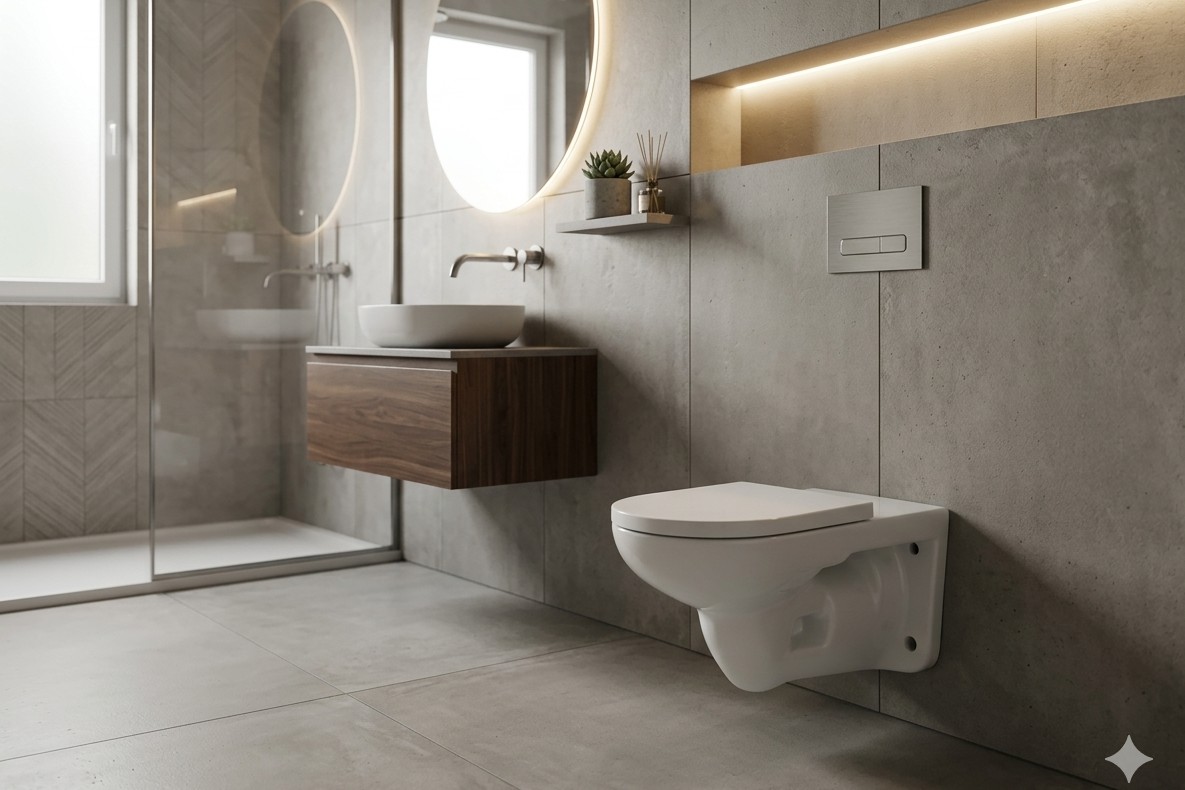
In the competitive world of commercial real estate, every square inch of a floor plan is a calculated asset—including the restroom. While selecting a toilet bowl shape might seem like a minor architectural footnote, the choice between round and elongated bowls carries significant weight for property owners. It is a decision that balances strict ADA compliance, long-term janitorial overhead, and the everyday comfort of high-value tenants. Whether you are retrofitting a historic urban office or outfitting a high-traffic industrial warehouse, the 'right' shape can be the difference between a cramped bottleneck and a seamless user experience. This guide explores how to match toilet geometry to your specific commercial needs to maximize both spatial efficiency and property value.
Understanding the Core Differences: Round vs. Elongated Toilets
Defining the Round Toilet Bowl: Standard Dimensions and Profile
When evaluating commercial plumbing fixtures, the round toilet bowl is best known for its compact, space-saving profile. A standard round bowl typically measures about 16.5 inches from the seat hinges to the front edge. This circular design creates a significantly smaller footprint, making it an excellent choice for commercial properties where square footage is strictly limited.
It is particularly useful in older buildings with retrofitted restrooms or tight stalls in small retail spaces. While it offers slightly less ergonomic surface area than elongated models, its true value lies in spatial efficiency. For facility managers navigating strict spatial constraints, the round bowl offers a practical, budget-friendly solution without requiring major architectural adjustments.
Defining the Elongated Toilet Bowl: Standard Dimensions and Profile
The elongated toilet bowl is the modern standard for professional environments, distinguished by its oval shape and extended footprint. Measuring approximately 18.5 inches from the seat hinges to the front rim—about 2 inches longer than round models—this profile is specifically designed to enhance user support and comfort. In commercial real estate, this added length isn't just a luxury; it provides a more significant 'target area,' which improves overall restroom hygiene by reducing accidental contact with the fixture.
While it requires a deeper clearance within the stall, the elongated bowl’s sleek, contemporary aesthetic and superior ergonomics make it the preferred choice for Class A office spaces and high-end hospitality projects.
Comparative Analysis: Water Efficiency and Flush Dynamics
While the exterior shape primarily impacts comfort and space, the internal engineering dictates a fixture's performance. Modern commercial toilets, whether round or elongated, are generally designed to meet strict EPA WaterSense standards, typically utilizing 1.28 gallons per flush (GPF) or less.
However, elongated bowls often feature a larger water surface area. This increased surface improves the 'scouring' action during a flush, effectively keeping the bowl cleaner—a vital consideration for high-traffic commercial facilities aiming to reduce janitorial overhead. In properties with inconsistent water pressure, choosing models with pressurized flush systems or integrated tanks ensures consistent performance across both shapes. Ultimately, while water efficiency is comparable, the elongated bowl’s geometry often provides a slight edge in maintaining hygiene.
Evaluating Spatial Constraints in Commercial Restrooms
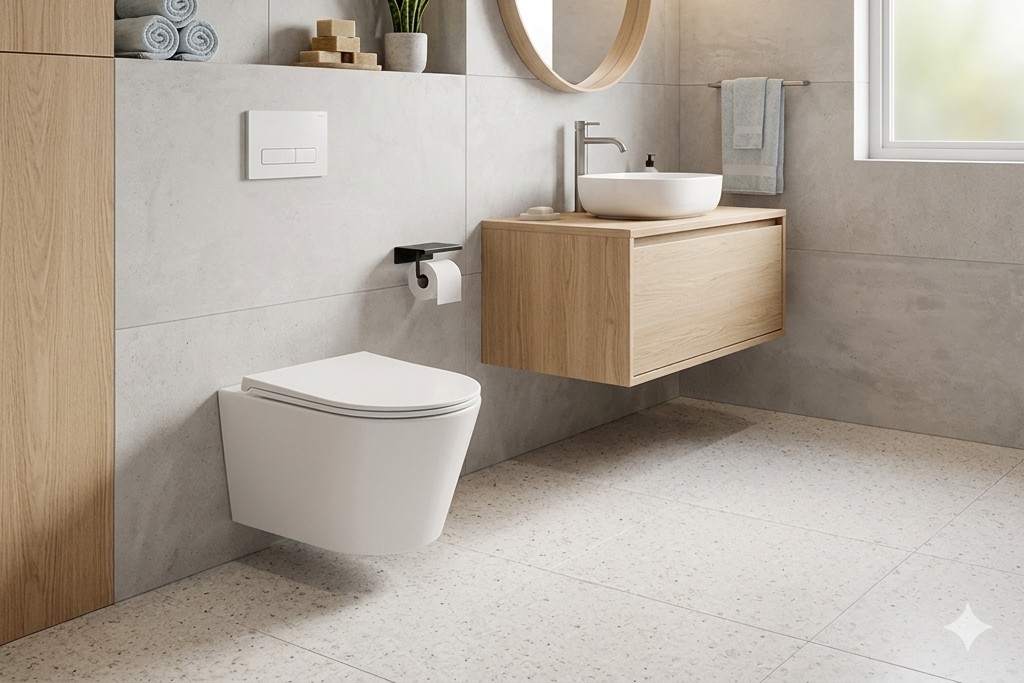
Maximizing Floor Space in Compact Restroom Layouts
In high-density urban developments or historic renovations, every square inch of a commercial restroom is a premium asset. Maximizing floor space requires strategic fixture selection, where the round bowl’s compact 16.5-inch depth becomes a critical design tool. By saving approximately 2 inches of floor clearance compared to elongated models, designers can ensure stall doors swing freely and maintain the required turning radius for accessibility in tight quarters.
This efficiency doesn't just meet building codes; it improves 'flow' in high-traffic retail or small café environments. Choosing a compact profile allows for more stalls within a limited footprint, directly increasing a property’s capacity and user convenience without requiring costly structural expansions.
Traffic Flow Considerations for High-Volume Facilities
In high-volume environments like airports, stadiums, or large corporate complexes, restroom 'throughput' is a critical operational metric. The physical footprint of a toilet bowl directly influences traffic flow by dictating stall depth and aisle clearance. In these facilities, even a two-inch difference in fixture length can alleviate congestion during peak usage.
While elongated bowls provide superior ergonomics, round bowls may be strategically deployed in smaller satellite restrooms to prevent bottlenecks and ensure stall doors swing fully without obstructing primary walkways. By optimizing these spatial dynamics, facility managers can maintain a smooth, safe flow of users, effectively reducing wait times and improving the overall user experience in busy commercial assets.
Navigating Building Codes, Door Swings, and Stall Clearances
In commercial real estate, restroom design is strictly dictated by building codes, most notably ADA (Americans with Disabilities Act) standards. Navigating these requirements involves calculating precise stall clearances and door swings to ensure safety and accessibility. While elongated bowls are the preferred standard for accessible stalls, their 18.5-inch depth requires a deeper partition to ensure the door can swing inward without hitting the fixture or violating the 60-inch minimum clear floor space.
In contrast, round bowls are often strategically placed in non-accessible stalls within older renovations to maintain the required 48 inches of clear space in front of the toilet. Miscalculating these inches can lead to costly inspection failures and potential liability.
Prioritizing User Comfort, Hygiene, and Accessibility
The Ergonomic Advantages of Elongated Designs for Adult Users
When it comes to user experience in modern commercial real estate, the elongated toilet bowl is the undisputed leader in ergonomics. Its oval shape provides a larger seating surface, offering superior support and comfort for adult users of varying body types. This extra two inches of length significantly reduces pressure points during use, which is a subtle but impactful touch in luxury office spaces or premium retail environments.
Beyond comfort, the increased 'target area' of the 18.5-inch bowl minimizes accidental contact with the porcelain, promoting a more hygienic and pleasant experience. For developers aiming to meet the expectations of high-end tenants, prioritizing these ergonomic advantages is a simple way to elevate a property’s perceived value.
Mitigating Mess: Hygiene Standards and Janitorial Efficiency
In high-traffic commercial environments, hygiene is as much about maintenance efficiency as it is about user perception. Elongated toilet bowls provide a distinct advantage here due to their larger water surface area. This design minimizes the amount of 'dry' porcelain exposed, significantly reducing waste adhesion and staining. For janitorial teams, this translates to less time scrubbing per unit and a lower requirement for harsh chemical cleaners.
Furthermore, the extended 18.5-inch rim offers a larger 'catchment area,' effectively reducing accidental floor spills. By selecting fixtures that naturally stay cleaner, property managers can lower their long-term janitorial overhead while maintaining the high sanitary standards expected in professional office buildings and upscale retail centers.
ADA Compliance and Accessibility Requirements for Commercial Spaces
In commercial real estate, adhering to ADA (Americans with Disabilities Act) standards is a legal necessity, not a choice. While the ADA doesn't explicitly ban round toilets, it strongly favors the elongated bowl for accessible stalls. The 18.5-inch length provides the required support for individuals with mobility challenges, making transfers from wheelchairs safer and more stable. To meet compliance, the toilet must also feature a seat height between 17 and 19 inches from the floor to the top of the seat. For property owners, installing elongated fixtures in designated accessible restrooms ensures inclusivity while mitigating the risk of costly legal disputes. Prioritizing these specifications is a fundamental step in modern, compliant commercial restroom design.

Tailoring Fixture Choices to Specific Commercial Property Types
Ideal Selections for Office Buildings and Corporate Campuses
For Class A office buildings and modern corporate campuses, the elongated toilet bowl is the gold standard. In these high-stakes professional environments, tenant satisfaction is closely tied to the quality of building amenities. Providing elongated fixtures signals a commitment to comfort and modern design, aligning with the premium expectations of corporate lessees. Their 18.5-inch profile offers a more ergonomic experience for employees who spend long hours on-site, while their sleek appearance complements contemporary restroom aesthetics.
Furthermore, in large-scale office developments, the standardized use of elongated bowls simplifies maintenance and parts inventory. For developers looking to maximize lease rates and retain high-value tenants, investing in these superior fixtures is a strategic move for long-term property appeal.
Best Practices for Retail Stores, Restaurants, and Hospitality
In the retail and hospitality sectors, the choice between round and elongated bowls often depends on the specific 'vibe' and spatial limits of the venue. For high-turnover environments like small cafés or boutique retail shops, round bowls are frequently the best practice because they permit more stalls in a smaller footprint, reducing customer wait times. However, for full-service restaurants and hotels, elongated bowls are essential to meet the hospitality standard for guest comfort. These fixtures provide a residential feel that makes patrons feel more at ease. Regardless of the shape, property owners in this space should prioritize high-performance flushing systems to ensure a pristine, odor-free environment that reflects positively on their brand’s hygiene standards.
Cost-Effective Solutions for Warehouses and Industrial Parks
In warehouses and industrial parks, the primary drivers for fixture selection are durability and budget efficiency. For these high-utility spaces, round toilet bowls are often the pragmatic choice. Their compact footprint allows for more efficient restroom configurations in large-scale floor plans, while their lower unit cost helps manage the construction budget for sprawling facilities. Since user experience in industrial settings focuses more on functionality than luxury, the space-saving round design provides a durable, cost-effective solution that withstands the rigors of heavy-duty daily use. However, facility managers must ensure that at least one elongated, ADA-compliant stall is available to meet legal requirements. By balancing cost-efficiency with regulatory compliance, industrial property owners can maintain operational restrooms without unnecessary capital expenditure.

Ultimately, the debate between round and elongated bowls isn’t about which fixture is superior, but which one solves the unique challenges of your property. Round bowls remain the undisputed champion for maximizing floor space in high-density or historic layouts, while elongated models have become the non-negotiable standard for Class A offices and ADA-compliant accessibility. By aligning your choice with the specific demands of your sector—be it the ergonomics of luxury hospitality or the cost-efficiency of industrial parks—you ensure that your facility is both functional and future-proof. Investing in the right porcelain today prevents the costly retrofits of tomorrow, keeping your restrooms clean, compliant, and comfortable for every user.
Related news
-

Public bidets vs. traditional toilet paper: Which is hygienic in a shared restroom
Stepping into a high-traffic shared restroom often comes with a subtle hesitatio
-
What are the best toilet brands for reliability, durability, and budget?
Few fixtures in your home work harder or impact your daily comfort more than the
-
How do I measure my old toilet to make sure the new replacement fits perfectly
Upgrading your bathroom with a modern fixture should be an exciting renovation—n
-
What does "toilet rough-in" mean, and how do I measure mine in 2 minutes?
A toilet rough-in is the clearance distance measured from the finished wall behi
-
Why are cheap bathroom vanities so cheap? Hidden traps like low-grade particle board and missing tops.
At first glance, an ultra-low price tag on a brand-new bathroom vanity feels lik
-
Big-box home store vs. online discount retailers: Where do you get the best deal on bathroom vanities?
Upgrading your bathroom vanity is one of the most impactful choices in any renov




Premium sanitary ware manufacturer since 1992. Delivering reliable global B2B solutions.


Contact
Address: No. 12, Guayuan East Road, Changmei Second Village, Fengxi District, Chaozhou City, Guangdong Province, China
Email: kobol@jfbathroom.com
WhatsApp/Tel: [+86-135-3399-8998]
Working Hours: Mon - Sat: 9:00 AM - 6:00 PM (UTC+8)
Copyright © 2026 Joy&Fortune Ltd. All Rights Reserved.


