 |
|  |
|  |
|  |
| 
E-mail: kobol@jfbathroom.com

Tel: (86)768-2992129


NEWS CENTER
—
Why Built-In Tanks in Smart Toilets Are Essential for High-Rise Buildings

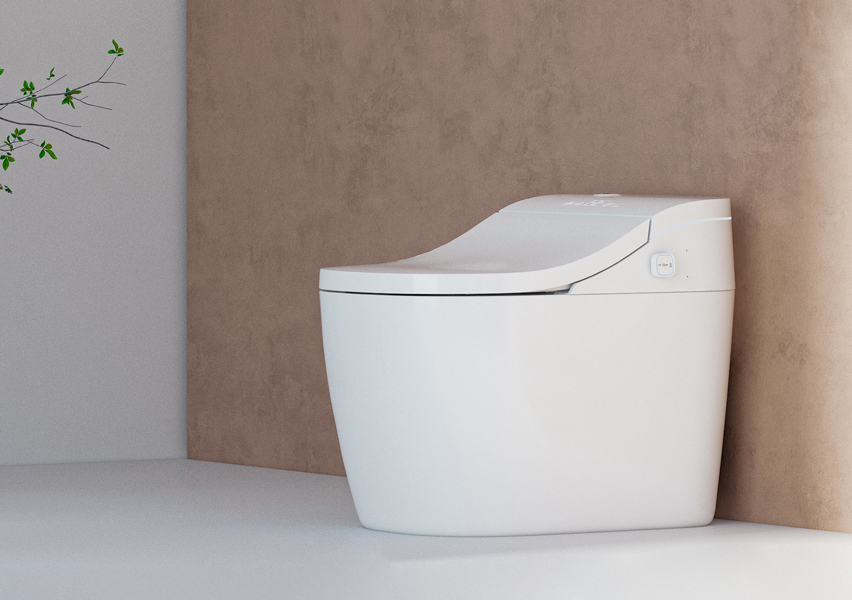
High-rise living offers breathtaking views, but it also presents a unique engineering challenge: the physics of water pressure. As modern architecture pushes higher, traditional plumbing infrastructure often struggles to maintain the consistent velocity required for advanced sanitary ware. For developers and property managers, 'pressure drop' on upper floors isn't just a technical glitch—it’s a direct threat to tenant satisfaction and operational efficiency. While tankless smart toilets have become a symbol of modern luxury, they frequently falter in high-density vertical environments. This article explores why the transition to smart toilets with built-in tanks is no longer just a design choice, but a mechanical necessity for ensuring reliable, high-velocity performance in the world’s most demanding buildings.
The Challenge of Water Pressure in High-Rise Plumbing
How Floor Level and Elevation Affect Water Supply
In high-rise architecture, gravity is a constant adversary to consistent water pressure. As buildings scale vertically, the pressure required to push water to upper stories often fluctuates significantly. While lower levels may experience high pressure due to the weight of the water column, units on the top floors frequently suffer from 'pressure drop,' where the flow is insufficient for standard tankless smart toilets to operate correctly. This mechanical inconsistency creates a fragmented user experience across the same property. Relying solely on a building’s booster pumps is often inadequate for the high-velocity burst needed for modern ceramic fixtures, making the structural height of a project a primary challenge for consistent bathroom performance.
The Hidden Costs of Inadequate Flushing Systems
For property managers and developers, a toilet that struggles to flush isn't just a nuisance; it's a measurable financial drain. In multi-story buildings where floor-level water pressure naturally fluctuates, inadequate flushing systems frequently lead to weak clearing power and pipe blockages. This results in constant maintenance callbacks, increasing operational costs, and frustrating tenants. When fixtures fail to clear waste efficiently on the first attempt, the hidden costs of emergency plumbing repairs and premature replacements quickly add up. Furthermore, poor flush performance compromises hygiene standards in commercial spaces, directly impacting a property’s reputation. Reliable, high-velocity flushing is a critical operational requirement, not an optional luxury.
Where Traditional Tankless Smart Toilets Fall Short
Traditional tankless smart toilets rely entirely on the building's real-time flow rate to function. In a high-rise environment, this is a gamble. Without a reservoir to draw from, these units require a consistent, high-pressure stream to drive the flushing mechanism. When peak demand occurs—such as morning hours when multiple residents are using water simultaneously—the pressure often drops below the required threshold. This results in weak, incomplete flushes or, in some cases, the toilet failing to cycle entirely. For developers, this means that even the most expensive tankless models can become a liability if the infrastructure cannot provide the specific, constant velocity these 'direct-feed' systems demand.

How Built-In Tanks Guarantee High-Velocity Flushing
The Core Mechanics Behind Integrated Water Tanks
Unlike direct-feed models that rely on external pipe pressure, smart toilets with integrated tanks operate as a self-contained, pressurized system. The built-in reservoir stores a precise volume of water, allowing an internal pump or gravity-assist mechanism to release it at a concentrated velocity. This design effectively decouples flush performance from the building’s plumbing variables. By pre-filling the tank between uses, the unit ensures that every flush delivers the exact same kinetic energy, providing a powerful siphonic action that clears the bowl effectively on the first try. For developers, this engineering represents a fail-safe against the unpredictable plumbing environments found in large-scale projects.
Delivering Consistent Performance Regardless of Building Infrastructure
Building infrastructure is rarely perfect. From aging pipes to inconsistent booster pump settings, the external factors affecting water flow are numerous. A built-in tank acts as a mechanical buffer, neutralizing these variables entirely. Whether a unit is installed on the ground floor or the 50th floor, the flushing force remains identical because the water is sourced from the internal reservoir rather than the fluctuating mainline. This consistency is vital for high-density residential projects where uniform performance across hundreds of units is expected, eliminating the need for expensive, site-specific plumbing adjustments during installation.
Balancing Powerful Cleansing with Water Efficiency
High-velocity flushing does not have to result in high water consumption. Integrated tanks are engineered to optimize the water-to-pressure ratio. By controlling the exact volume and the speed of the release, these systems achieve a comprehensive 'clean sweep' of the ceramic surface using significantly less water than traditional gravity-fed toilets. This efficiency is critical for meeting modern green building certifications and reducing long-term utility costs. When combined with high-quality ceramic glazing, the powerful burst from the built-in tank ensures maximum hygiene while strictly adhering to international water-saving standards.

Why Contractors and Developers Prefer Tank-Integrated Smart Toilets
Simplifying Installation Across Multi-Story Projects
For contractors, time is a critical variable in project profitability. Traditional tankless systems often require specific, high-diameter piping to handle the high flow rate demanded for a flush. In contrast, smart toilets with built-in tanks can be installed using standard plumbing lines, as the unit manages the pressure internally. This flexibility simplifies the mechanical, electrical, and plumbing (MEP) coordination, especially in multi-story developments where retrofitting or custom pipe sizing for every floor is cost-prohibitive. By standardizing the requirements, developers can accelerate the construction timeline and reduce labor costs across the entire building.
Reducing Maintenance Callbacks and Tenant Complaints
Low-pressure complaints are a leading cause of post-occupancy maintenance requests in high-rise apartments. When a toilet fails to clear waste due to inadequate building pressure, the burden falls on the property management team. Choosing fixtures with integrated tanks drastically reduces these callbacks. Because the flushing power is self-contained and consistent, the risk of clogs and mechanical failures remains low, regardless of how many residents are using water simultaneously. This reliability ensures a higher tenant satisfaction rate and protects the developer's reputation for delivering a high-quality, functional living environment.
Meeting Modern Building Codes and Sustainability Standards
Navigating the complex landscape of international building codes and environmental certifications can be a hurdle for any large-scale project. Tank-integrated smart toilets are engineered to meet strict water-efficiency regulations without compromising on performance. These units often feature dual-flush capabilities and precise volume control, making it easier for projects to achieve LEED or similar green building certifications. Furthermore, by ensuring a complete flush on the first cycle, these systems prevent the water waste associated with 'double-flushing,' aligning with global sustainability goals while providing the technical authority required by modern commercial real estate standards.

Future-Proofing Commercial Real Estate with Reliable Bathroom Fixtures
Upgrading the User Experience in Luxury Apartments and Hotels
In the premium real estate market, a bathroom is no longer just a utility; it is a sanctuary. For luxury apartments and five-star hotels, a smart toilet is an expected amenity that signals modern sophistication. However, the prestige of the technology is immediately undermined if the basic function—the flush—is compromised by building pressure. By utilizing built-in tanks, developers provide a seamless, high-end experience where the technology works invisibly and reliably every time. This attention to detail reflects a commitment to quality that discerning tenants and guests value, directly enhancing the property's premium positioning and user satisfaction.
Evaluating the Long-Term ROI on High-Quality Sanitary Ware
While the upfront investment in tank-integrated smart toilets may be higher than basic models, the long-term Return on Investment (ROI) is significant. Beyond the immediate savings in simplified installation and reduced plumbing infrastructure requirements, these units drastically lower operational expenditures (OPEX). Reduced maintenance labor, fewer emergency repairs for clogs, and lower water bills through precision flushing contribute to a healthier bottom line for property owners. For commercial real estate investors, reliable fixtures mean higher tenant retention rates and fewer rent concessions due to utility failures, making high-quality sanitary ware a strategic financial asset rather than just an expense.
Key Criteria for Selecting Your Next Manufacturing Partner
Choosing a manufacturing partner is about more than just a product catalog; it is about technical expertise and historical reliability. When sourcing for high-rise projects, look for manufacturers who specialize in high-temperature ceramic firing (1280°C) for maximum durability and non-porous surfaces. A partner with a proven track record in the international B2B supply chain—specifically one that understands the unique plumbing challenges of different global regions—is essential. Ensure they prioritize precision engineering in their integrated tank systems and offer robust technical support. A partner who focuses on pragmatic, human-centric design over mere aesthetic gimmicks will provide the most sustainable value for your large-scale developments.

In the competitive landscape of commercial real estate, the difference between a premium property and a problematic one often lies in the reliability of its smallest details. Overcoming low water pressure in high-rise buildings requires moving beyond 'direct-feed' solutions and embracing the consistency of integrated tank technology. By decoupling flush performance from building variables, developers can eliminate maintenance headaches, protect their project's reputation, and offer a seamless user experience that lasts for decades. Ultimately, investing in smart toilets with built-in tanks is a commitment to quality that yields a clear return—reducing long-term costs while setting a higher standard for modern, sustainable living.
Related news
-

Public bidets vs. traditional toilet paper: Which is hygienic in a shared restroom
Stepping into a high-traffic shared restroom often comes with a subtle hesitatio
-
What are the best toilet brands for reliability, durability, and budget?
Few fixtures in your home work harder or impact your daily comfort more than the
-
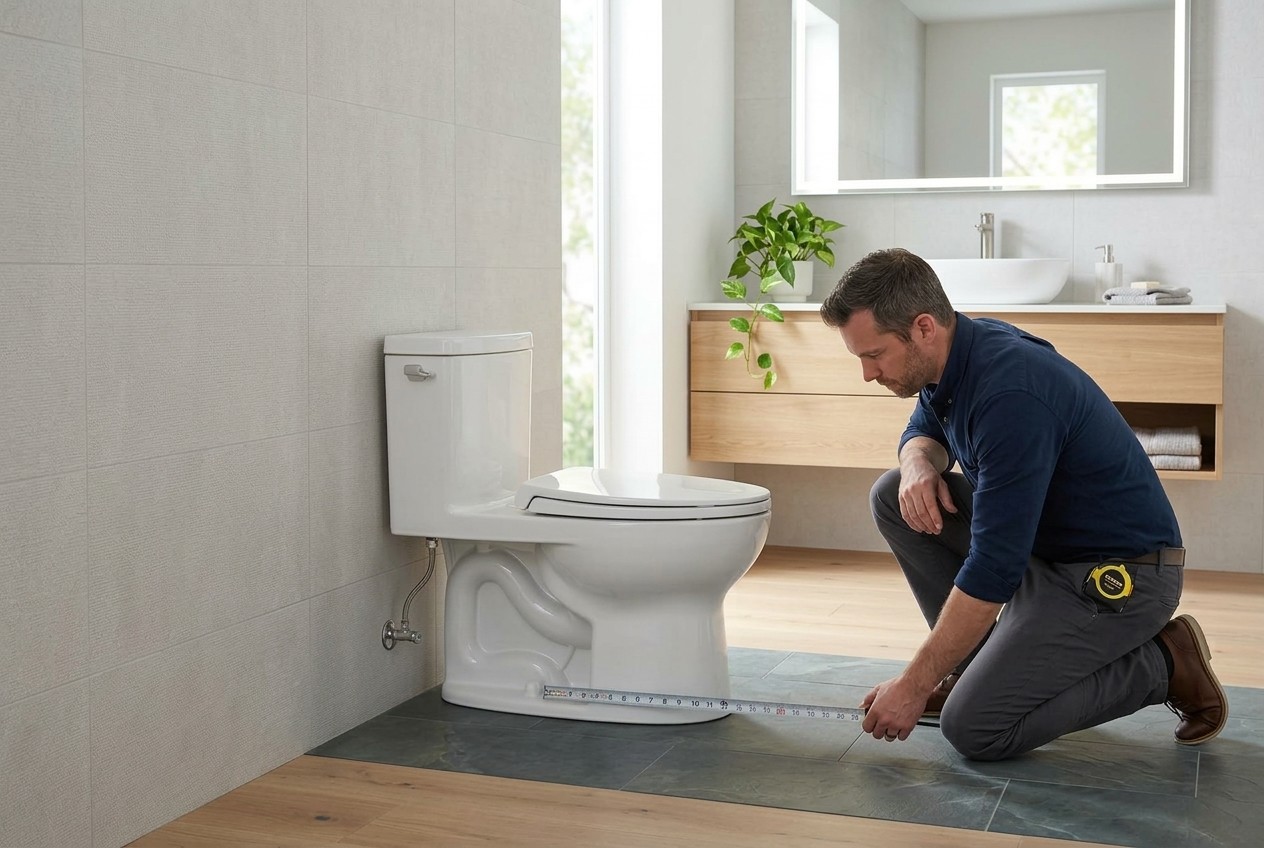
How do I measure my old toilet to make sure the new replacement fits perfectly
Upgrading your bathroom with a modern fixture should be an exciting renovation—n
-
What does "toilet rough-in" mean, and how do I measure mine in 2 minutes?
A toilet rough-in is the clearance distance measured from the finished wall behi
-
Why are cheap bathroom vanities so cheap? Hidden traps like low-grade particle board and missing tops.
At first glance, an ultra-low price tag on a brand-new bathroom vanity feels lik
-
Big-box home store vs. online discount retailers: Where do you get the best deal on bathroom vanities?
Upgrading your bathroom vanity is one of the most impactful choices in any renov




Premium sanitary ware manufacturer since 1992. Delivering reliable global B2B solutions.


Contact
Address: No. 12, Guayuan East Road, Changmei Second Village, Fengxi District, Chaozhou City, Guangdong Province, China
Email: kobol@jfbathroom.com
WhatsApp/Tel: [+86-135-3399-8998]
Working Hours: Mon - Sat: 9:00 AM - 6:00 PM (UTC+8)
Copyright © 2026 Joy&Fortune Ltd. All Rights Reserved.


