 |
|  |
|  |
|  |
| 
E-mail: kobol@jfbathroom.com

Tel: (86)768-2992129


NEWS CENTER
—
What is the best toilet for a home remodel? A beginner-friendly buyer's guide.
Remodeling a bathroom is one of the most rewarding home improvement projects you can tackle. However, when it comes time to choose a new toilet, many homeowners are surprised by how overwhelming the choices can be. Between decoding technical jargon like rough-in dimensions, trapway diameters, flush mechanisms, and surface glazes, what seems like a simple purchase can quickly turn into a confusing puzzle.
Selecting the wrong fixture isn't just an aesthetic mistake—it can lead to costly plumbing retrofits, cramped floor space, annoying clogs, and daily cleaning headaches. At Joy & Fortune, with decades of dedicated experience in ceramic engineering and sanitary ware manufacturing, we believe finding the ideal bathroom fixture should be simple, transparent, and stress-free.
Whether you are planning a full master bath renovation or updating a cozy powder room, this beginner-friendly buyer’s guide breaks down every critical detail step-by-step. Read on to discover how to measure your space, choose the right flushing technology, and select the best toilet for your home remodel with total confidence.
Key Specifications to Measure Before Buying a Toilet
Before falling in love with a sleek design or high-tech features, you must get the foundational dimensions right. Purchasing a toilet with incompatible measurements can lead to costly plumbing returns, tight door clearances, or complete fitting failures.
To ensure a seamless fit for your bathroom remodel, you need to verify three critical physical specifications: the rough-in distance to match your existing drainage, the bowl shape to optimize floor space, and the seat height for long-term ergonomic comfort. Here is how to measure each one accurately before making a purchase.
Measuring Rough-In Distance (10', 12', and 14' Standards)
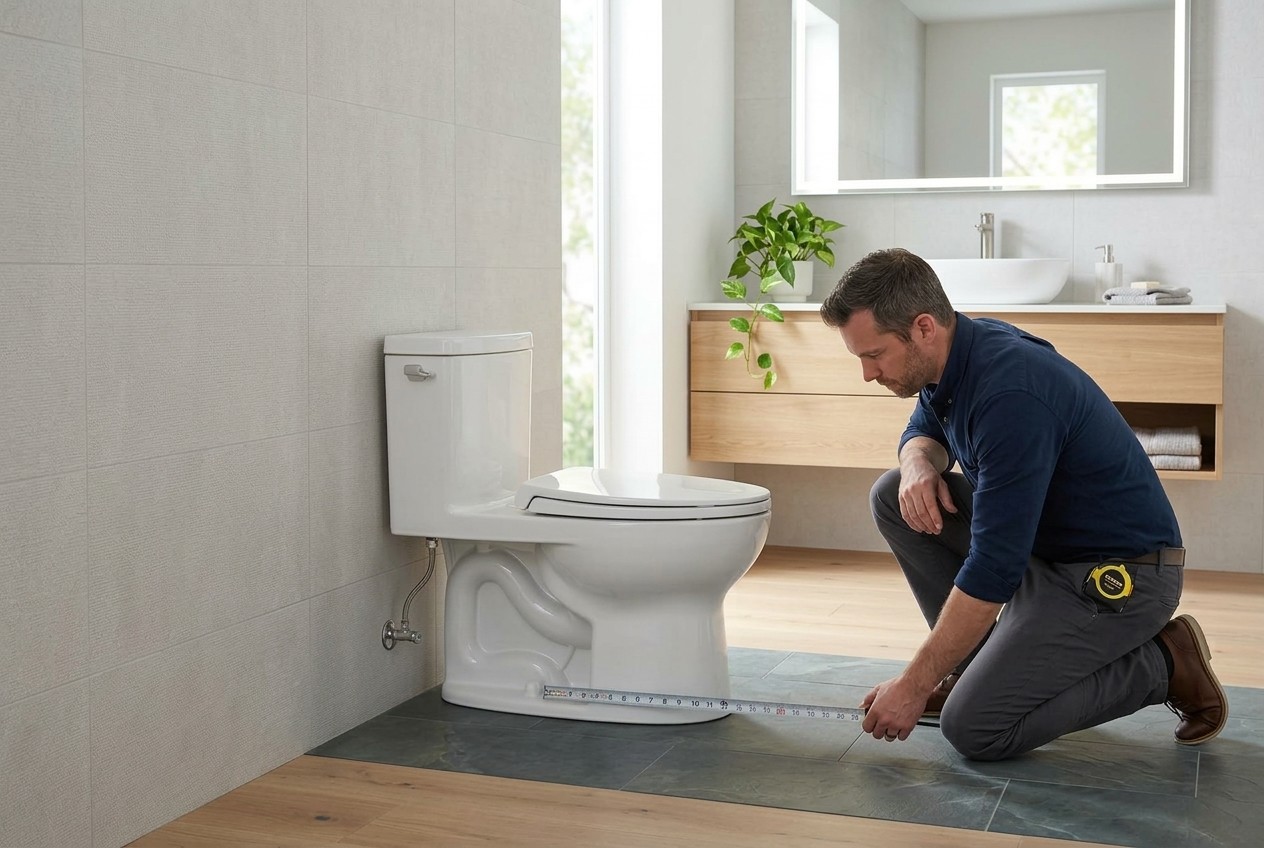
Before buying a replacement toilet, you must determine your bathroom's rough-in distance—the measurement from the finished wall to the center of the toilet's floor bolts.
How to measure in 2 steps:
l Locate the closet cap/bolt securing the toilet base to the floor.
l Measure from the wall (excluding baseboards) directly to the center of the bolt.
While 12 inches is the standard for standard residential plumbing, older homes or custom layouts may use 10-inch or 14-inch rough-ins. Installing the wrong size causes fitting failure or leaves an unsightly gap behind the tank, making exact measurement essential before ordering.
Bowl Shape Comparison: Elongated vs. Compact Round
Choosing between an elongated and round bowl impacts both seating comfort and bathroom space layout.
l Elongated Bowls: Feature an oval shape extending roughly 18.5 inches from the tank. They provide superior thigh support and seating room, making them the standard choice for primary bathrooms.
l Round Bowls: Measure about 16.5 inches, saving up to 2 inches of forward clearance. This space-saving profile is ideal for compact powder rooms or tight door swings.
For tight layouts without sacrificing comfort, consider a compact-elongated hybrid model. It pairs an ergonomic oval rim with a condensed base footprint, delivering optimal comfort in constrained spaces.
Standard Height vs. Comfort Height (ADA Compliance)
Toilet rim height significantly impacts daily accessibility, ergonomics, and long-term comfort.
l Standard Height (14–15 inches): Measured from floor to rim, this traditional height works best for children, shorter family members, or dedicated kids' bathrooms.
l Comfort Height (17–19 inches): Also known as Right Height or Chair Height, these models comply with ADA (Americans with Disabilities Act) standards. Sitting at standard chair height, they dramatically reduce strain on knees and joints when sitting or standing.
For master suites and guest bathrooms, Comfort Height is now the preferred industry standard for future-proofing your home, supporting age-in-place functionality while boosting overall resale value.

Toilet Types and Flushing Technologies Compared
Once you have confirmed your bathroom's physical dimensions, the next step is selecting the core structural design and mechanical engineering of your toilet. Modern fixture choices go far beyond basic plumbing—they directly dictate your bathroom's visual aesthetics, daily cleaning routine, flush noise levels, and long-term water efficiency.
To help you choose the right setup for your remodel, this section compares one-piece versus two-piece constructions, breaks down different flushing mechanisms for reliable performance under varying water pressures, and explores how wall-hung mounting and smart technology can elevate your daily home experience.
One-Piece vs. Two-Piece Toilets: Aesthetics, Cleaning, and Cost
Choosing between a one-piece and two-piece toilet balances budget, installation ease, and long-term maintenance.
l One-Piece Toilets: Sculpted as a single continuous ceramic unit, these models feature a seamless design with no crevice between the tank and bowl. They eliminate bacteria traps, make cleaning effortless, and deliver a sleek, modern look. However, they are heavier and generally more expensive.
l Two-Piece Toilets: The traditional standard, featuring a separate tank and bowl bolted together during setup. They are cost-effective, lighter to maneuver, and allow easy individual part replacement.
If low maintenance and seamless hygiene rank highest on your checklist, one-piece toilets are well worth the premium.
Gravity-Fed vs. Pressure-Assisted and Tankless/Integrated Flushing
Flushing performance dictates daily reliability, noise level, and long-term water utility costs.
l Gravity-Fed Systems: Rely on natural water weight to pull waste downward. They deliver whisper-quiet operation, contain fewer mechanical parts, and remain the standard for residential homes.
l Pressure-Assisted Systems: Compress air within an internal vessel to blast water into the bowl, making them ideal for high-rise residences or homes with low water pressure.
l Integrated & Tankless Solutions: Utilize built-in pump systems or direct pressure connections to deliver powerful clearing without bulky tanks.
Opt for High-Efficiency Dual-Flush models (1.28/0.8 GPF) to cut household water usage without sacrificing flushing power.
Floor-Mounted, Wall-Hung, and Smart Toilets
The mounting style and smart features you choose directly define your bathroom's spatial aesthetics and daily convenience.
l Floor-Mounted Toilets: The traditional choice anchored to the subfloor. They offer straightforward plumbing setup, lower upfront costs, and widespread model availability.
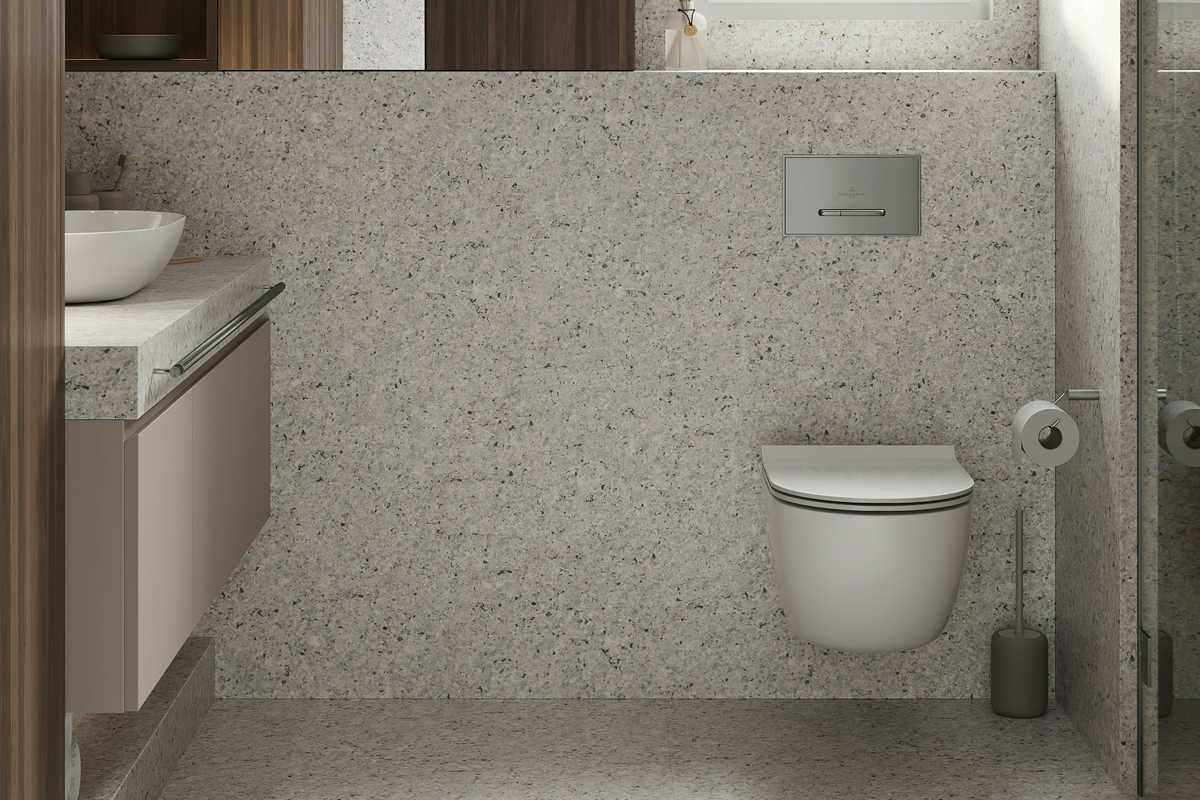
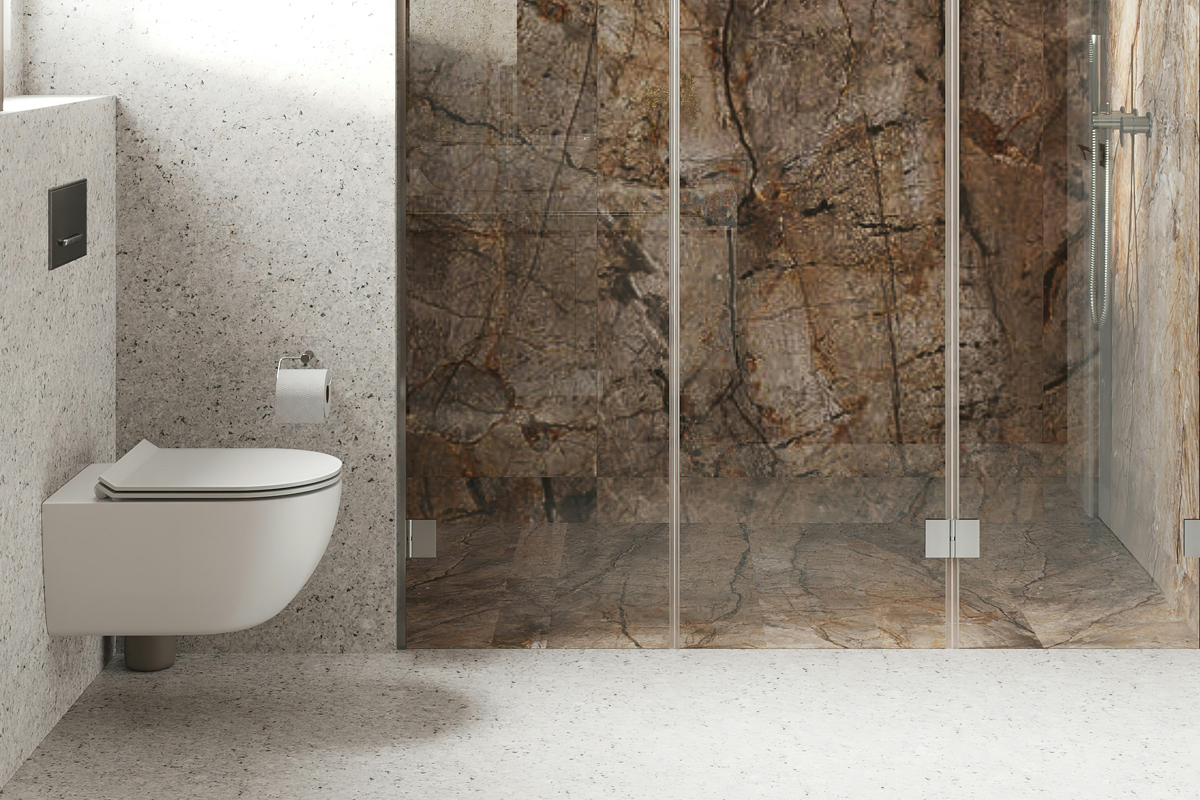
l Wall-Hung Toilets: Suspended above the floor using an in-wall tank carrier. They create a sleek, modern visual while freeing up floor space for effortless floor cleaning.
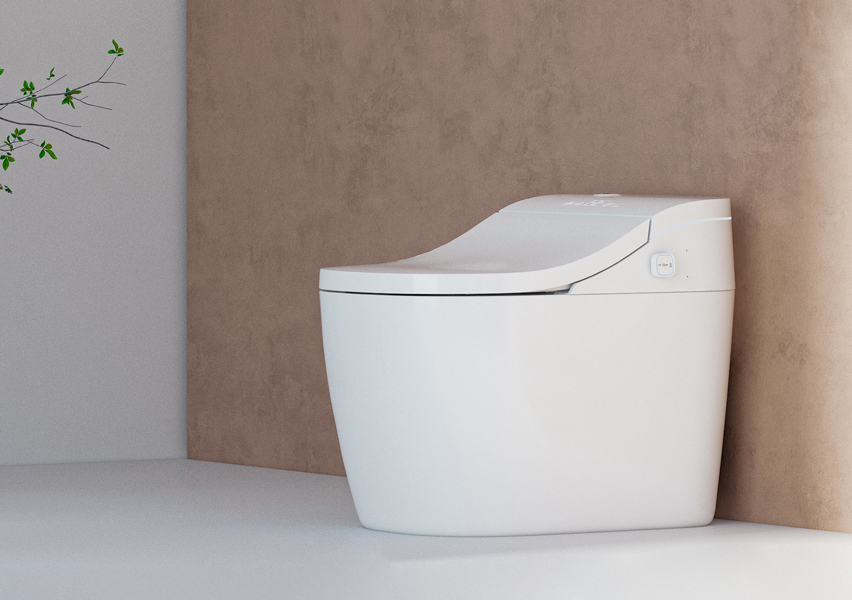
l Smart Toilets: Feature integrated bidet cleansing, warm-air drying, heated seats, automatic open/close lids, and self-sanitizing bowl technology.
Upgrading to wall-hung or smart toilet technology delivers ultimate hygiene, contemporary design, and long-term property value.

Materials, Glazes, and Maintenance Features That Prevent Clogs
While fit and flushing mechanisms establish performance, long-term satisfaction depends on hygiene, ease of cleaning, and component durability. Nobody wants a bathroom remodel ruined by constant clogging, stubborn water stains, or noisy, slamming seat covers.
A toilet’s material finish and internal geometry dictate how well it resists wear and tear over time. In this section, we examine how premium ceramic glazes, fully glazed trapway designs, and durable quick-release hardware keep your fixture pristine, virtually clog-free, and effortless to maintain.
Premium Glaze Coatings and Anti-Microbial Ceramic Surfaces
Beyond mechanical flushing power, surface technology determines how easily your toilet resists stains, odors, and mineral buildup. Traditional ceramic surfaces have microscopic pores where waste and bacteria adhere over time.
Modern premium glazes utilize ultra-smooth ceramic formulations engineered to create a non-porous, hydrophobic barrier. Waste glides off effortlessly during every flush, preventing lime scale and water spots from clinging. Many advanced glaze coatings also incorporate anti-microbial properties that suppress bacteria growth, keeping your bowl visibly brighter while significantly reducing the need for harsh chemical cleaners and heavy scrubbing.
Fully Glazed Trapways and Power-Rim Flush Designs
Frequent clogging is often caused by rough internal piping rather than insufficient water volume. A fully glazed trapway applies an ultra-smooth coating inside the entire internal S-bend, eliminating friction and snag points so waste passes through effortlessly. Choosing a model with a 2-inch or larger trapway diameter drastically reduces blockage risks.
Complementing smooth trapways are rimless and power-rim flush designs. Unlike traditional toilets with rim holes that collect grime and bacteria, power-rim systems channel water through dynamic jets. This creates a powerful swirling vortex that scrubs every square inch of the bowl while eliminating splash zones and hard-to-reach dead spots.
Quick-Release Hinges, Soft-Close Seats, and Hardware Durability
Small hardware details significantly impact daily convenience and long-term toilet durability.
l Soft-Close Seats: Utilizing controlled hinge dampeners, soft-close seats prevent loud middle-of-the-night slamming, protect the ceramic rim from cracking, and keep young children's fingers safe.
l Quick-Release Hinges: Feature a simple latch or push-button mechanism that allows you to unclip the entire seat in seconds, making deep cleaning around hard-to-reach mounting bolts effortless.
Corrosion-Resistant Hardware: Ensure internal flush valves, tank bolts, and mounting fasteners are made from high-grade stainless steel or solid brass. Quality hardware resists chemical corrosion from water conditioners, prevents hidden tank leaks, and guarantees long-term structural stability.

Practical Budgeting, Installation, and Purchasing Advice
Choosing the right toilet specifications and features is only half the battle; bringing your remodel across the finish line requires smart financial planning and proper installation execution. Unexpected plumbing issues or missing mounting hardware can quickly derail your project timeline and inflate your overall renovation budget.
To help you complete your project with confidence, this section outlines cost expectations across budget tiers, weighs the pros and cons of DIY installation versus hiring a professional plumber, and provides an essential hardware checklist to ensure a secure, leak-free setup.
Cost Breakdown: Entry-Level vs. Mid-Range and Luxury Models
Setting a realistic budget requires balancing upfront costs with long-term utility savings.
l Entry-Level ($150–$300): Standard two-piece gravity toilets offering essential functionality. Ideal for budget-conscious remodels or rental property refreshes.
l Mid-Range ($300–$700): The sweet spot for home remodels. Delivers sleek one-piece styling, premium anti-stain glazes, comfort-height seating, and dual-flush efficiency.
l Luxury & Smart ($800+): Features integrated bidet functionality, auto-open lids, self-cleaning technology, and wall-mounted tankless profiles.
Always prioritize EPA WaterSense certified models (1.28 GPF or lower). High-efficiency flushing can save thousands of gallons annually, delivering substantial water bill savings over the fixture’s lifetime.
DIY Toilet Replacement vs. Hiring a Professional Plumber
Deciding between a DIY installation and hiring a plumber depends on your experience and existing bathroom conditions.
l DIY Installation: Replacing an existing toilet in a standard setup is a straightforward project for handy homeowners. It requires basic tools like an adjustable wrench, a level, and a tape measure.
l Hiring a Professional ($150–$350 labor): Highly recommended if your project involves relocating water supply lines, repairing a broken floor flange, or leveling an uneven subfloor.
Licensed plumbers safely handle heavy ceramic units (often weighing 80–120 lbs) and guarantee watertight seals, preventing hidden subfloor leaks. For simple drop-in swaps, DIY saves money; for layout or flange repairs, hire a pro.
Essential Installation Hardware Checklist
Even high-end toilets will leak or rock if installed with poor mounting hardware. Before starting your installation, ensure you have these critical components ready:
l Flange Seals: Choose between traditional wax rings or reusable, wax-free rubber seals for easier repositioning.
l Closet Bolts: Opt for solid brass or stainless-steel closet bolts to secure the toilet base without rusting over time.
l Braided Supply Lines: Replace old rigid lines with flexible stainless-steel braided water lines to prevent high-pressure bursts.
l Toilet Shims: Keep plastic shims nearby to level the base on uneven tile floors.
Always inspect your floor flange for cracks and perform a leak test before completing final bolt tightening.

Finding the best toilet for your home remodel ultimately comes down to balancing four essential factors: accurate physical measurements, reliable flushing mechanics, easy-clean surface hygiene, and a practical installation budget. By double-checking your rough-in distance, selecting the right bowl shape and height, and choosing a durable finish, you lay the groundwork for a comfortable, stress-free bathroom that elevates your home's daily routine.
At Joy & Fortune, we believe that quality sanitary ware should seamlessly combine thoughtful design with long-lasting performance. Through high-precision ceramic craftsmanship, advanced anti-stain glazing technology, and engineered anti-clog trapways, our products are built to deliver quiet power, effortless hygiene, and timeless style for every renovation project.
Ready to transform your bathroom? Start by taking your room measurements, evaluating your household's daily needs, and exploring our full range of ceramic sanitary ware to discover the perfect fixture for your dream remodel today.
Related news
-

Public bidets vs. traditional toilet paper: Which is hygienic in a shared restroom
Stepping into a high-traffic shared restroom often comes with a subtle hesitatio
-
What are the best toilet brands for reliability, durability, and budget?
Few fixtures in your home work harder or impact your daily comfort more than the
-
How do I measure my old toilet to make sure the new replacement fits perfectly
Upgrading your bathroom with a modern fixture should be an exciting renovation—n
-
What does "toilet rough-in" mean, and how do I measure mine in 2 minutes?
A toilet rough-in is the clearance distance measured from the finished wall behi
-
Why are cheap bathroom vanities so cheap? Hidden traps like low-grade particle board and missing tops.
At first glance, an ultra-low price tag on a brand-new bathroom vanity feels lik
-
Big-box home store vs. online discount retailers: Where do you get the best deal on bathroom vanities?
Upgrading your bathroom vanity is one of the most impactful choices in any renov




Premium sanitary ware manufacturer since 1992. Delivering reliable global B2B solutions.


Contact
Address: No. 12, Guayuan East Road, Changmei Second Village, Fengxi District, Chaozhou City, Guangdong Province, China
Email: kobol@jfbathroom.com
WhatsApp/Tel: [+86-135-3399-8998]
Working Hours: Mon - Sat: 9:00 AM - 6:00 PM (UTC+8)
Copyright © 2026 Joy&Fortune Ltd. All Rights Reserved.


