 |
|  |
|  |
|  |
| 
E-mail: kobol@jfbathroom.com

Tel: (86)768-2992129


NEWS CENTER
—
Smart toilet vs. traditional toilet: Does the high-tech upgrade justify the extra cost?
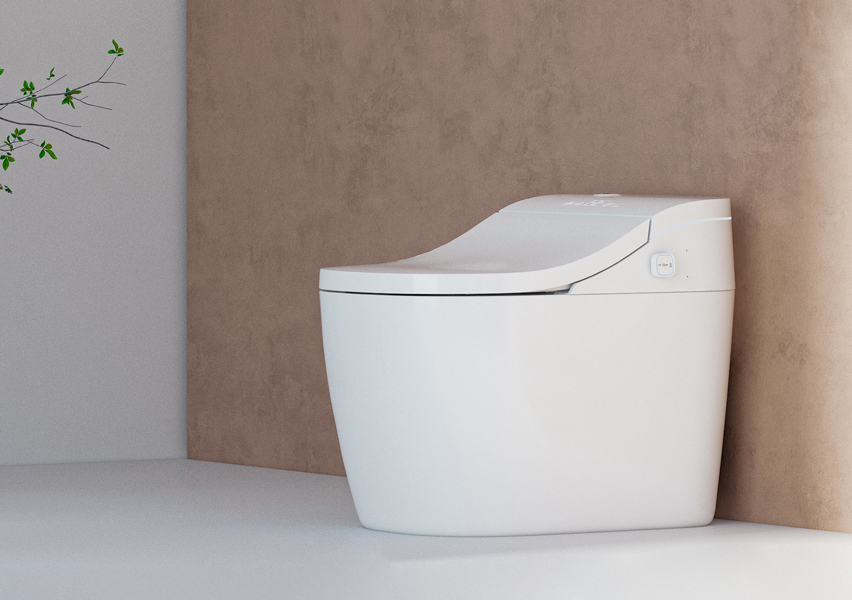
The humble toilet hasn't changed much in a century, but the rapid rise of smart home technology is completely reshaping the modern bathroom. Today, homeowners embarking on a renovation or upgrade face a polarizing dilemma: is a high-tech smart toilet a life-changing wellness investment, or simply an overpriced gimmick?
As a premier ceramic sanitary ware and smart toilet manufacturer, Joy & Fortune has been at the very forefront of this bathroom evolution. With decades of engineering experience under our roof, we see firsthand how advanced manufacturing transforms daily user routines.
In this comprehensive guide, we will break down the structural differences, true installation costs, long-term utility savings, and maintenance realities of both options. Whether you are looking for timeless reliability or a spa-like upgrade, here is an industry-expert look at whether a smart toilet truly justifies the extra cost for your home.
Core Feature Comparison: What Sets Them Apart?
To evaluate whether a high-tech upgrade justifies its premium price tag, we must first examine the stark engineering contrast between these two fixtures. While both serve the same fundamental purpose, their approaches to daily comfort, sanitation, and functionality couldn't be further apart. One is a time-tested mechanical marvel that relies on pure simplicity; the other is a computerized wellness appliance built for the modern home.
Here is a closer look at the core features and design philosophies that separate the classic porcelain throne from the modern smart toilet.
Anatomy of a Traditional Toilet: Simple and Reliable
For over a century, the traditional toilet has relied on a beautifully simple, non-electric design. At its core, a standard porcelain model operates entirely on mechanical gravity or pressure-assisted flushing mechanisms. When you press the lever, a flapper lifts, allowing water to rush from the tank into the bowl, creating a natural siphon effect that clears waste.
This absence of complex circuit boards or electrical plumbing is precisely why traditional toilets remain a global standard. They are highly reliable, completely impervious to power outages, and exceptionally cheap to maintain. For many homeowners, this low-tech dependability perfectly embodies the timeless philosophy: 'if it isn't broken, don't fix it.'
The Smart Toilet Revolution: Advanced Functionalities Explained
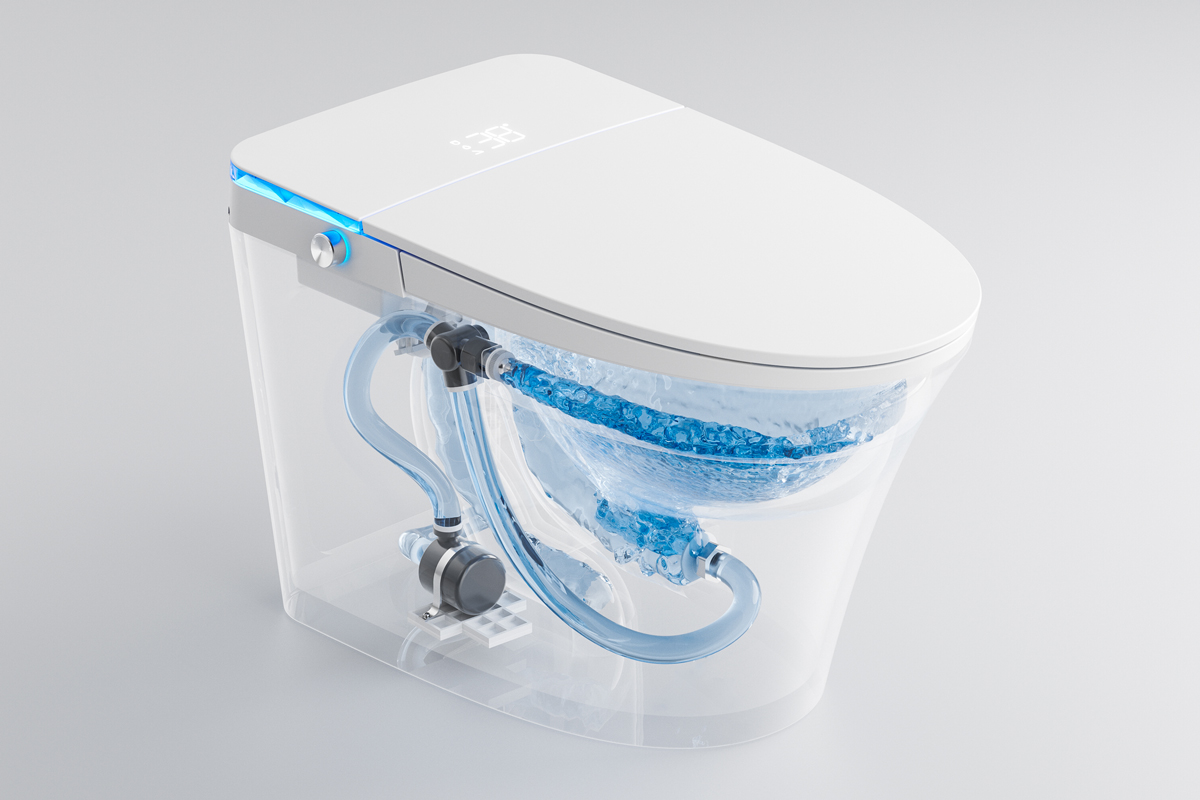
In contrast, the smart toilet revolution replaces mechanical simplicity with a sophisticated electronic ecosystem designed to elevate the entire bathroom experience. Moving far beyond basic waste removal, these high-tech fixtures integrate advanced functionalities directly into a single, streamlined unit.
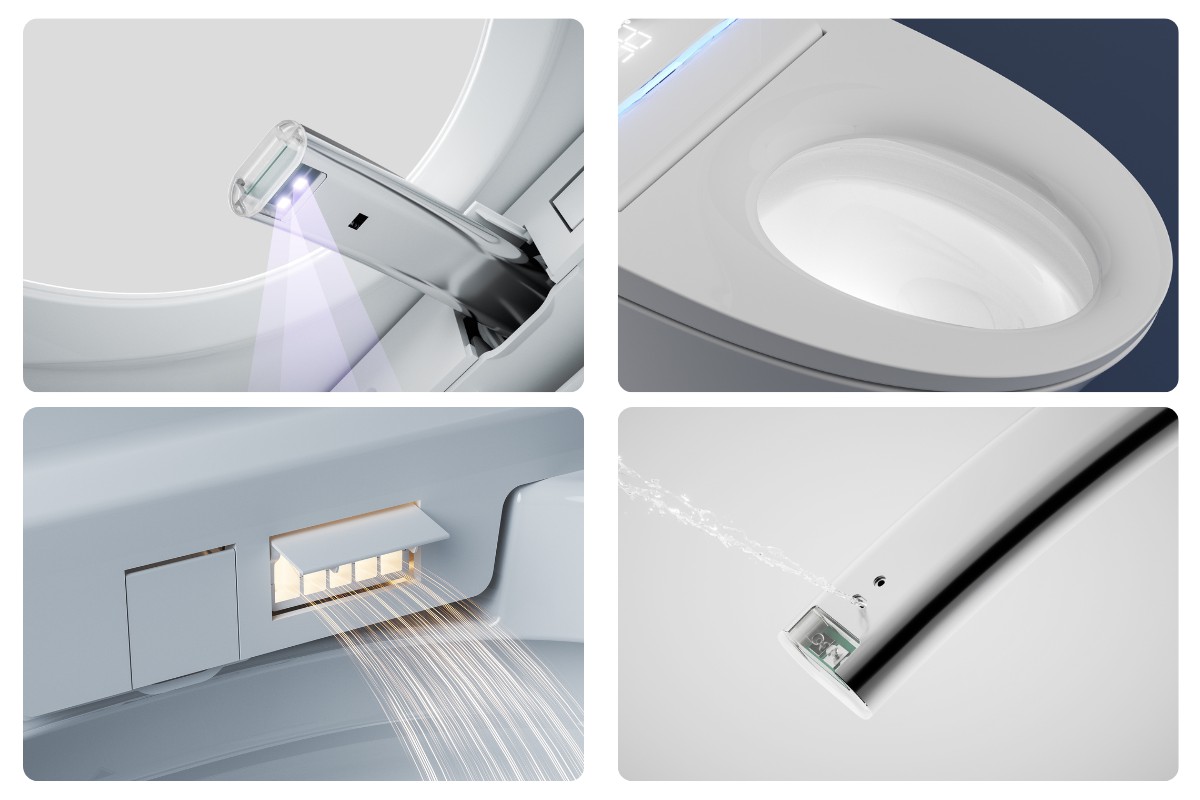
Instead of relying on toilet paper, they feature built-in, adjustable bidets for personalized cleansing, followed by warm air dryers for a completely hands-free experience. Additional features like automatic carbon odor deodorizers keep the air fresh, while subtle, integrated LED nightlights guide the way safely in the dark. By turning a utilitarian fixture into an intelligent home appliance, this revolution fundamentally redefines what a toilet can do for modern comfort and convenience.
Hygiene and Wellness: Heated Seats, Warm Water, and Auto-Flush
Beyond convenience, smart toilets prioritize physical wellness through superior hygiene features. Traditional wiping can easily irritate skin, but the combination of instantaneous warm water washing and soothing heated seats offers a gentle, therapeutic alternative. These customizable settings provide incredible comfort, especially during cold winter mornings.
Furthermore, hands-free automation drastically improves bathroom sanitation. Motion-activated auto-flush mechanisms and automatic open/close lids mean users rarely have to touch potentially germ-ridden surfaces. By seamlessly blending touchless technology with personalized temperature controls, smart toilets transform a basic daily necessity into a hygienic, spa-like wellness ritual that elevates home health standards.
Financial Breakdown: Initial Costs vs. Long-Term Value
While the luxury of an intelligent bathroom is undeniably appealing, the financial reality is usually the ultimate deciding factor for most homeowners. To understand whether a high-tech upgrade truly justifies its premium status, we have to look beyond the initial sticker price and calculate the total cost of ownership. This means weighing the upfront retail and installation expenses against long-term water savings, minor electrical draws, and potential future repair complexities.
Upfront Investment: Retail and Installation Price Gaps
The most immediate barrier to a high-tech upgrade is the stark difference in initial costs. A standard traditional toilet remains highly budget-friendly, typically retailing between $100 and $200. In contrast, entry-level to mid-range smart toilets demand a significant price jump, generally costing between $500 and $1,000. For those seeking top-tier luxury, premium brands with advanced automation can easily exceed $2,000.
Furthermore, the installation gap extends beyond the retail price. While a traditional toilet is a straightforward plumbing swap, a smart toilet requires a nearby GFCI electrical outlet, adding electrician fees to the total labor cost. This substantial upfront premium forces homeowners to carefully weigh immediate expenses against long-term value.
Long-Term Utility Savings: Water and Electricity Efficiency
When analyzing long-term utility bills, a smart toilet presents a unique balance between water savings and minor electricity costs. While older traditional toilets can gulp up to 3.5 gallons per flush, modern smart models utilize highly efficient dual-flush systems and precision vortex flushing, often consuming as little as 1.0 to 1.28 gallons per flush. This significantly lowers annual water bills.
On the flip side, smart toilets do require continuous electricity to power heated seats, water warmers, and sensors. Fortunately, this energy draw is minimal, usually adding just $15 to $30 annually to your electric bill due to built-in eco-modes. Ultimately, the substantial water savings help offset the minor uptick in power consumption.
Maintenance and Repairs: Plumbers vs. Tech Technicians
A major consumer concern regarding high-tech upgrades is long-term maintenance: what happens when something breaks? Traditional toilets are legendary for their low-cost dependability. A running standard toilet usually requires a simple $10 DIY fix, like replacing a rubber flapper or a fill valve available at any local hardware store.
Smart toilets, however, introduce complex electronic motherboards, proximity sensors, and heating elements into a wet environment. If a digital component malfunctions, you cannot simply call a standard plumber; it often requires specialized technical support or proprietary manufacturer parts. While high-quality smart units come with robust warranties, the potential complexity of repairing advanced technology means long-term maintenance can be more expensive than traditional plumbing.
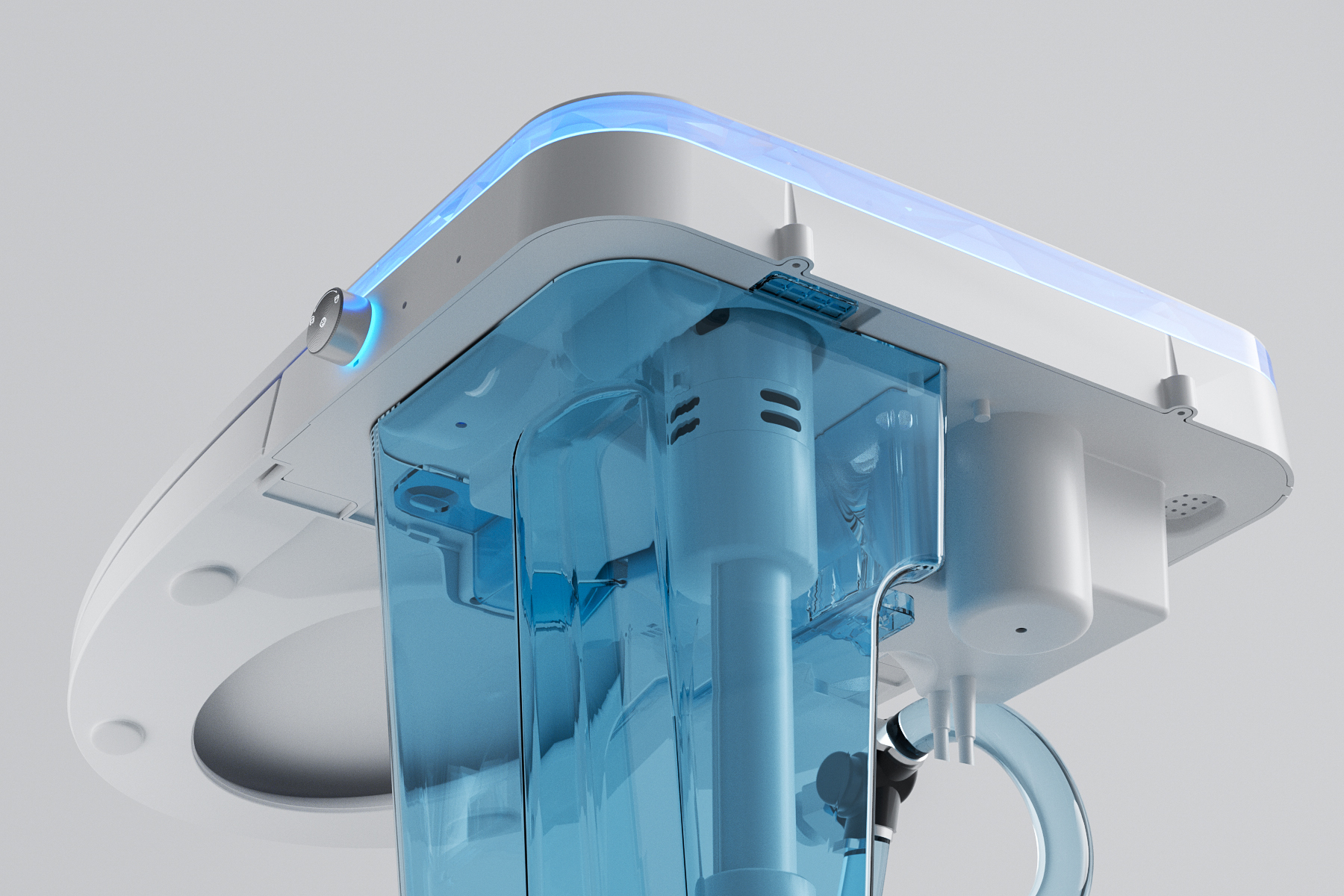
However, many high-quality smart toilet manufacturers have now integrated the internal circuitry, significantly simplifying the process of replacing parts. In some cases, customers can even perform the replacement themselves simply by obtaining the necessary part and following an instructional video.
To help you see the full financial picture at a glance, here is a direct breakdown of how traditional models compare to mid-range and premium smart options across these key financial categories.
Practical Considerations: Installation, Space, and User Experience
Choosing a toilet goes beyond comparing purchase prices and premium features; it requires a realistic look at how the fixture integrates into your physical space and your daily lifestyle. Upgrading to a smart toilet is not always a simple 'plug-and-play' swap. It introduces new logistical variables—from electrical requirements to major shifts in how you clean and who can comfortably use the bathroom.
Before making a final decision, it is essential to understand the practical, day-to-day realities of bringing this high-tech appliance into your home. Here is how traditional and smart toilets compare when it comes to installation logistics, universal accessibility, and long-term upkeep.
Bathroom Compatibility: Power Outlets and Plumbing Requirements
Before purchasing a smart toilet, homeowners must assess their bathroom’s current infrastructure. Unlike a traditional toilet that only requires a standard water supply line, a smart toilet operates as an electronic appliance. Its most critical requirement is a dedicated GFCI (Ground Fault Circuit Interrupter) electrical outlet, typically needed within 30cm of the fixture.
If your bathroom lacks a nearby power source, hiring an electrician to run new wiring can add unexpected costs to your renovation. Additionally, while standard toilets fit almost any standard rough-in space, some high-tech models require specific water pressure thresholds to operate their advanced tankless vortex flushes effectively. Checking these technical prerequisites beforehand ensures a seamless installation.
Accessibility and Inclusivity: Enhancing Comfort for Everyone
Smart toilets offer unparalleled benefits for accessibility, making them an excellent choice for universal home design. For individuals with limited mobility, the elderly, or those recovering from surgery, traditional bathroom tasks can be challenging. Smart technology bridges this gap with features like motion-activated automatic lids, intuitive remote controls, and hands-free cleansing and drying.
This drastically reduces the need to bend, reach, or manually wipe, preserving personal dignity and independence. By transforming the bathroom into an inclusive space, smart toilets provide a level of safety and self-reliance that traditional models simply cannot match, making them a highly practical investment for modern, aging-in-place home renovations.
Cleaning and Upkeep: Self-Cleaning Bowls vs. Manual Scrubbing
Traditional toilets require frequent, hands-on scrubbing with harsh chemicals to eliminate stains and bacteria buildup. Smart toilets, however, significantly minimize this chore through advanced self-cleaning technologies.
Many high-tech models feature specialized antimicrobial glazing that prevents waste from sticking to the ceramic surface. Before each use, they automatically pre-mist the bowl with water to create a slick barrier. Afterward, integrated ultraviolet (UV) light nozzles and electrolyzed water systems sterilize the bidet wand and inner bowl, killing up to 99.9% of bacteria. While traditional models demand constant manual upkeep, smart toilets leverage automation to keep the fixture fresh and sanitary, drastically reducing your cleaning time.
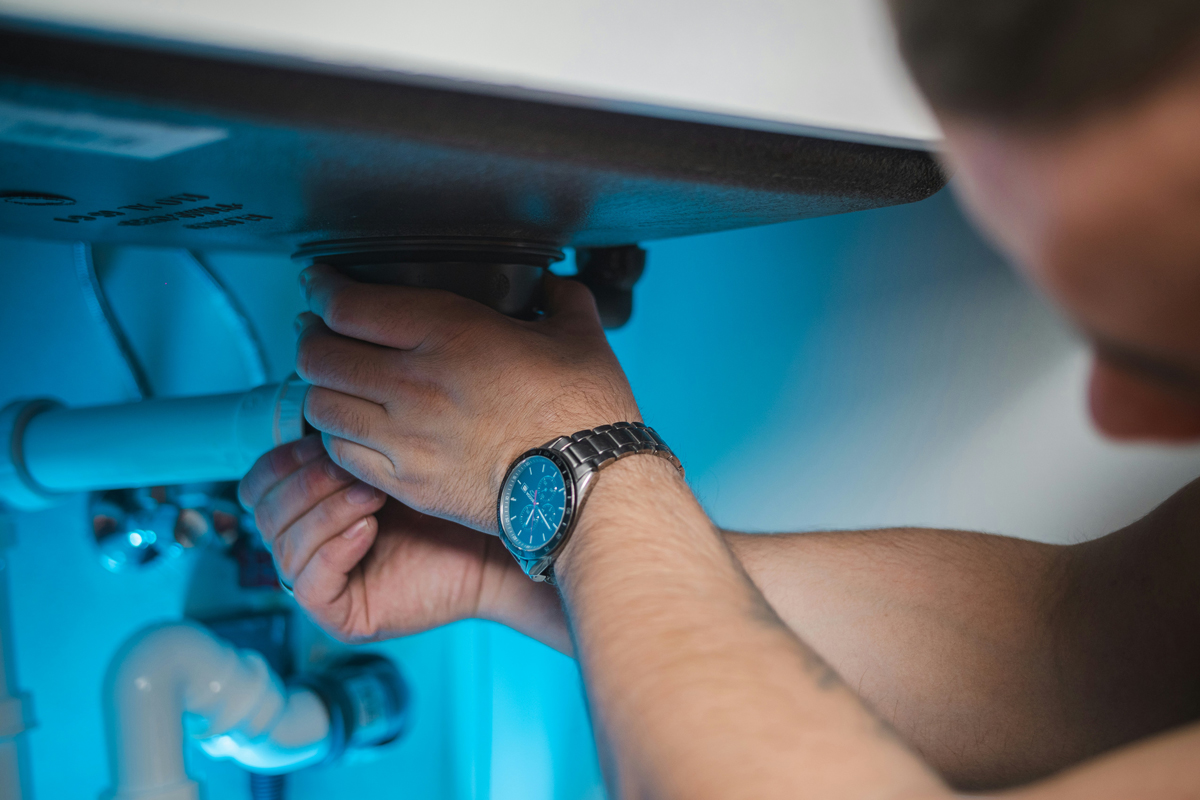
The Verdict: Is the High-Tech Upgrade Worth Your Money?
Ultimately, choosing between a traditional and a smart toilet isn't just about comparing price tags—it's about aligning your bathroom infrastructure with your daily lifestyle and long-term budget goals. There is no one-size-fits-all answer; the right choice depends entirely on what you value most for your home.
Whether you lean toward the unbeatable, low-maintenance simplicity of a classic model, or you are ready to invest in the premium comfort, advanced hygiene, and aging-in-place convenience of a high-tech ecosystem, evaluating your practical needs is key.
When to Stick with a Traditional Model (Budget and Simplicity)
Despite the allure of high-tech features, a traditional toilet remains the superior choice for many homeowners. If you are operating on a strict renovation budget, managing rental properties, or flipping a house, the low upfront cost of a standard porcelain model makes perfect financial sense.
It is also the ideal option for tech minimalists who prefer a zero-connectivity sanctuary without the worry of future electronic glitches, sensor calibrations, or power outages. Ultimately, if your goal is a straightforward, highly reliable bathroom fixture that requires no special wiring and gets the job done for a fraction of the price, sticking with a classic, time-tested traditional model is the most practical decision.
When to Upgrade to a Smart Toilet (Luxury, Convenience, and Long-Term Value)
Conversely, upgrading to a smart toilet is highly justified if you view the bathroom as a lifestyle or wellness sanctuary. It is a perfect match for premium master bath renovations, smart home enthusiasts, or homeowners designing an aging-in-place environment.
While the initial investment is higher, the daily comfort of a heated seat, hands-free automation, and personalized warm-water washing provides immense experiential value. Furthermore, by significantly reducing toilet paper reliance and automating manual scrubbing chores, it saves time and household resources over time. If you prioritize modern hygiene, superior comfort, and long-term home value, investing in a high-tech smart toilet is a thoroughly rewarding upgrade.
Making the Final Decision: The ROI Checklist for Homeowners
To determine if the high-tech upgrade is truly worth it, homeowners should weigh three core pillars: infrastructure, lifestyle, and budget. Ask yourself these critical questions before buying:
l Power Access: Do you have an existing GFCI outlet near the toilet, or are you willing to install one?
l Long-Term Value: Do you prioritize hands-free hygiene, reduced toilet paper consumption, and aging-in-place comfort?
l Total Budget: Can your renovation budget comfortably absorb the premium upfront retail and electrical installation costs?
If you answer yes to infrastructure and lifestyle priorities, the daily convenience, health benefits, and modern aesthetics deliver an undeniable return on investment that elevates your entire home.
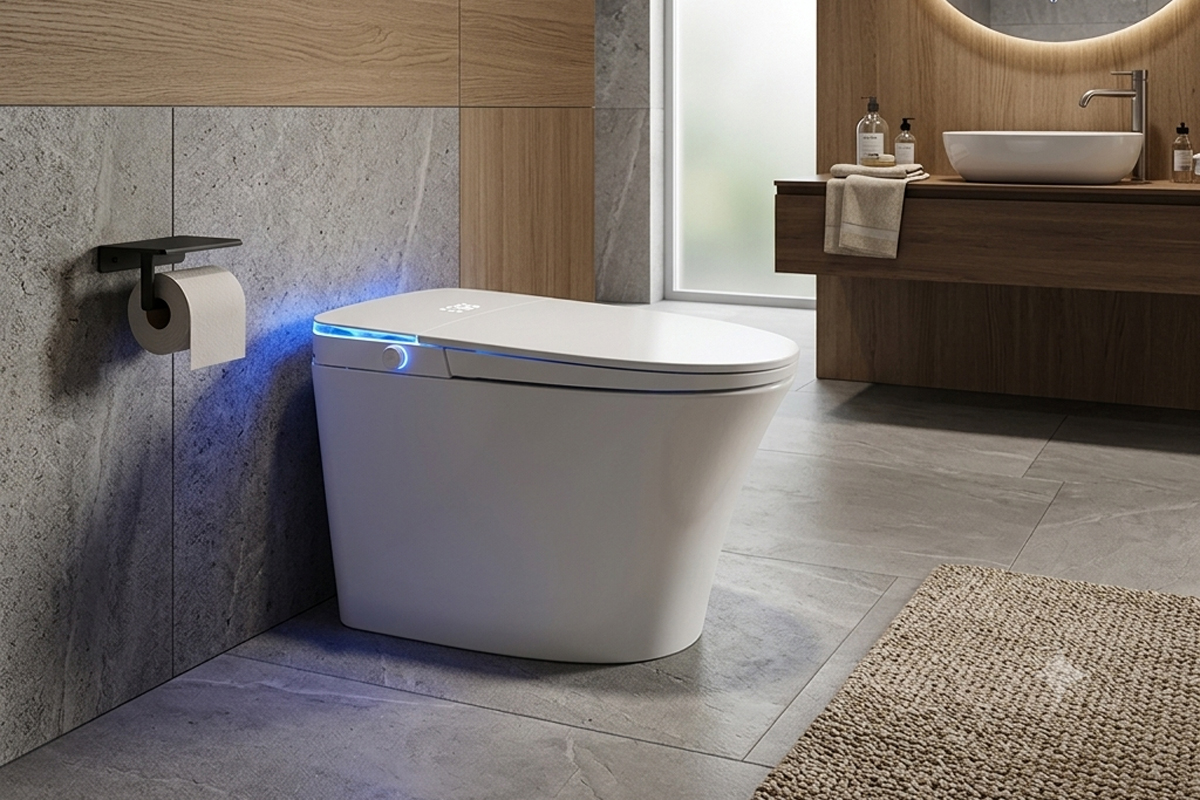
Deciding between the mechanical simplicity of a traditional toilet and the high-tech luxury of a smart upgrade ultimately comes down to your budget, lifestyle priorities, and long-term goals for your home. While a standard porcelain model reliably handles the basics for a fraction of the cost, a high-quality smart toilet completely reimagines the bathroom experience—shifting it from a basic daily necessity into a hygienic, spa-like wellness ritual.
At Joy & Fortune, we understand that every home and renovation project is unique. Whether you choose the timeless, low-maintenance reliability of classic ceramics or the next-generation comfort of advanced smart fixtures, our decades of manufacturing expertise ensure you get unparalleled engineering and quality.
Ready to transform your bathroom or find the perfect fixtures for your next project? Explore the full range of premium ceramic and smart sanitary ware at Joy & Fortune, or reach out to our team today to discover the ideal match for your space.
Related news
-

Public bidets vs. traditional toilet paper: Which is hygienic in a shared restroom
Stepping into a high-traffic shared restroom often comes with a subtle hesitatio
-
What are the best toilet brands for reliability, durability, and budget?
Few fixtures in your home work harder or impact your daily comfort more than the
-
How do I measure my old toilet to make sure the new replacement fits perfectly
Upgrading your bathroom with a modern fixture should be an exciting renovation—n
-
What does "toilet rough-in" mean, and how do I measure mine in 2 minutes?
A toilet rough-in is the clearance distance measured from the finished wall behi
-
Why are cheap bathroom vanities so cheap? Hidden traps like low-grade particle board and missing tops.
At first glance, an ultra-low price tag on a brand-new bathroom vanity feels lik
-
Big-box home store vs. online discount retailers: Where do you get the best deal on bathroom vanities?
Upgrading your bathroom vanity is one of the most impactful choices in any renov




Premium sanitary ware manufacturer since 1992. Delivering reliable global B2B solutions.


Contact
Address: No. 12, Guayuan East Road, Changmei Second Village, Fengxi District, Chaozhou City, Guangdong Province, China
Email: kobol@jfbathroom.com
WhatsApp/Tel: [+86-135-3399-8998]
Working Hours: Mon - Sat: 9:00 AM - 6:00 PM (UTC+8)
Copyright © 2026 Joy&Fortune Ltd. All Rights Reserved.


