 |
|  |
|  |
|  |
| 
E-mail: kobol@jfbathroom.com

Tel: (86)768-2992129


NEWS CENTER
—
What is a "comfort height" toilet and how tall is it compared to a standard one?
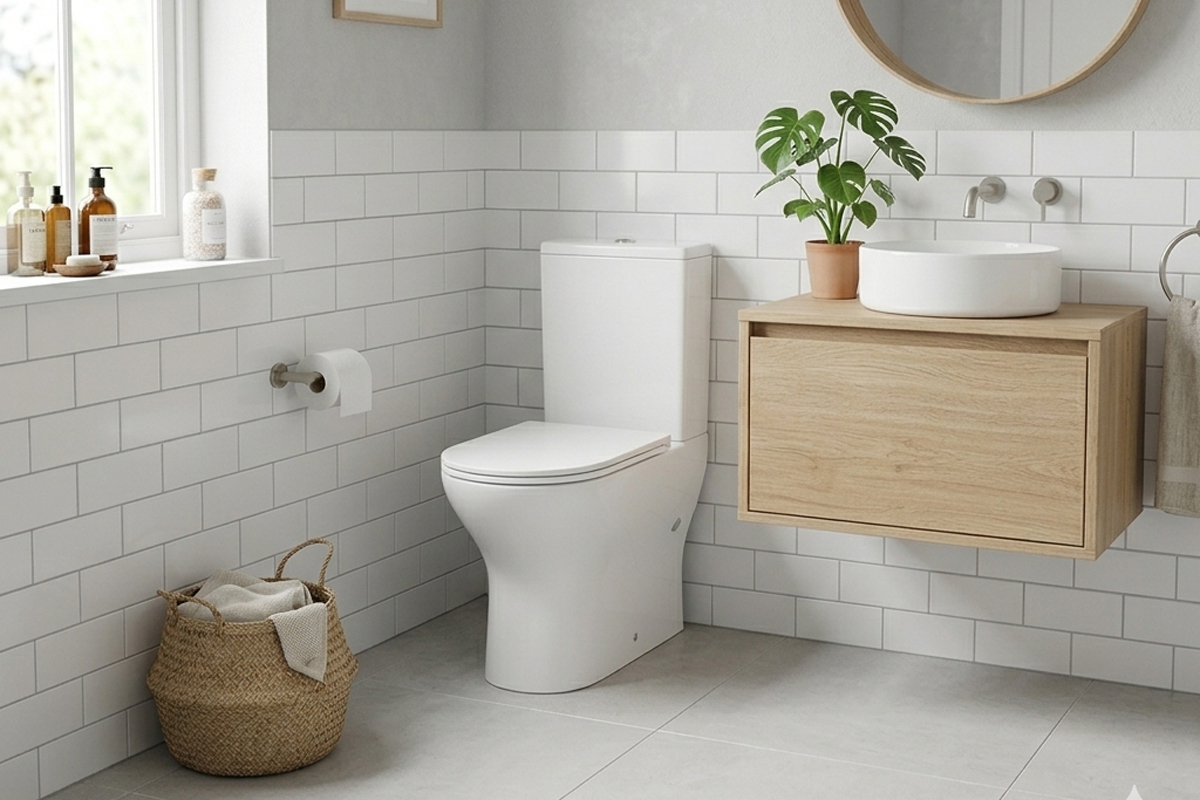
When designing or upgrading a bathroom, one of the most critical decisions comes down to a matter of inches: choosing between a standard toilet and a comfort height toilet.
Simply put, a standard height toilet sits 14 to 15 inches from the floor to the top of the seat, while a comfort height toilet stands 17 to 19 inches tall—matching the profile of a standard dining chair.
At Joy & Fortune, we know that those few extra inches can completely transform daily ergonomics, accessibility, and user satisfaction. Whether you are remodeling for aging-in-place convenience, seeking relief from joint strain, or outfitting a high-traffic family bathroom, choosing the right seat height is essential. In this guide, we break down the exact dimensions, ergonomic differences, benefits, and practical considerations to help you select the ideal fixture for your space.
The Core Difference: Comfort Height vs. Standard Height Defined
When choosing a new toilet, seat height is one of the most critical yet overlooked dimensions. The core difference between a comfort height toilet and a standard height toilet comes down to just 2 to 4 inches of vertical clearance—a small physical measurement that makes a massive impact on daily accessibility, comfort, and ergonomics. While standard models sit lower at 14 to 15 inches off the floor, comfort height models elevate the seat to 17 to 19 inches, closely matching the height of a standard dining chair. Below, we break down what defines each design, who they serve best, and how they stack up side-by-side.
What Is a Comfort Height Toilet?
A comfort height toilet—often marketed as 'chair height,' 'right height,' or 'tall height'—is designed to sit higher off the ground than a traditional fixture. Measured from the bathroom floor to the top of the seat, a comfort height toilet stands between 17 and 19 inches tall. This height matches a standard dining chair, making sitting down and standing up significantly easier on your knees, hips, and back. Because this dimension complies with Americans with Disabilities Act (ADA) accessibility guidelines requiring a minimum seat height of 17 inches, comfort height models are the primary standard for modern accessible bathrooms and aging-in-place remodels.
What Is a Standard Height Toilet?
A standard height toilet—traditionally called a 'regular' or 'standard bowl' fixture—is designed closer to the floor than modern chair-height models. Measured from the bathroom floor to the top of the toilet seat, a standard height toilet ranges between 14 and 15 inches tall.
For decades, this measurement was the universal default in residential construction and remains common in builder-grade installations today. While this lower seating position naturally fits children and shorter individuals, it requires deeper knee flexion and muscle strength when sitting down or standing up. Consequently, standard toilets can feel surprisingly low and uncomfortable for taller adults or anyone suffering from joint stiffness and mobility issues.
Side-by-Side Height Comparison: 14–15 Inches vs. 17–19 Inches
The 2-to-4-inch physical difference between standard and comfort height toilets drastically alters daily bathroom ergonomics:
Feature | Standard Height | Comfort Height |
Floor-to-Seat Height | 14–15 inches | 17–19 inches |
Ergonomic Profile | Similar to a low sofa | Similar to a dining chair |
Best Suited For | Children, adults under 5'4' | Taller adults, seniors, individuals with mobility issues |
ADA Compliance | Non-compliant | Fully compliant |
While a few extra inches sound minimal, standard toilets require deeper hip flexion and knee leverage. Conversely, comfort height toilets minimize physical effort when sitting down and standing up.

The Key Benefits of Installing a Comfort Height Toilet
Switching to a comfort height toilet is far more than a simple design preference—it is a practical upgrade that transforms daily safety, ergonomics, and home value. Whether you want to minimize lower body strain, support long-term independence through universal design, or give your bathroom a sleek, modern update, the advantages of a taller profile extend far beyond basic seating. Below, we explore the key benefits of making the switch to a chair-height toilet.
Reduced Knee and Joint Strain for Adults
Upgrading to a comfort height toilet significantly reduces mechanical stress on your lower body. By raising the seat to 17–19 inches, users maintain a natural 90-degree seating angle rather than deep knee flexion. This elevated position requires far less quadriceps strength and places minimal pressure on vulnerable joints, including knees, hips, and the lumbar spine.
For taller adults, individuals recovering from knee or hip surgery, and those living with chronic conditions like arthritis, sciatica, or back pain, this design eliminates painful squatting. The extra height transforms daily bathroom visits into a much safer, effortless sit-and-stand motion that protects joints over time.
ADA Compliance and Aging-in-Place Accessibility
Comfort height toilets are the cornerstone of accessible, forward-thinking bathroom design. By meeting the Americans with Disabilities Act (ADA) requirement of a 17- to 19-inch seat height, these fixtures ensure effortless use for individuals with physical disabilities or limited mobility.
For homeowners planning to 'age in place,' installing a chair-height toilet is one of the simplest, most effective upgrades to prolong independent living. The added elevation facilitates smoother transfers from wheelchairs or walkers and significantly reduces fall risks associated with lower seating. By eliminating the strain of sitting down and standing up, ADA-compliant toilets empower seniors to maintain personal dignity, safety, and self-reliance at home.
Modern Design Aesthetics and Resale Value
Beyond ergonomics, comfort height toilets offer distinct visual and financial advantages. Modern interior design overwhelmingly favors the sleek, well-proportioned profile of chair-height models, which align naturally with higher modern vanities. Replacing low, builder-grade standard toilets gives master suites and powder rooms an instantly updated, high-end appearance.
Additionally, taller fixtures enhance home marketability. Today's buyers actively seek functional, universal-design features that support aging in place and multi-generational living. Installing comfort height toilets during a bathroom remodel adds subtle luxury while signaling to prospective buyers that the home is accessible, modern, and future-proofed—a simple upgrade that delivers immediate style and long-term resale appeal.

Potential Drawbacks and Ergonomic Considerations
While comfort height toilets offer undeniable accessibility benefits, they are not a universal solution for every household. Upgrading to a taller fixture introduces specific trade-offs—from biological impacts on digestive posture to daily usability challenges for shorter individuals and children. Below, we examine the potential drawbacks, anatomical considerations, and practical installation details you should weigh before making the switch.
Postural Impact on Natural Colon Elimination
While comfort height toilets offer clear physical ease, they pose an ergonomic tradeoff for digestive health. Human anatomy is naturally optimized for squatting, which fully relaxes the puborectalis muscle to straighten the rectum for smooth elimination. Sitting on a taller, 17-to-19-inch seat forces a strict 90-degree seating angle. This elevated posture keeps the puborectalis muscle partially choked, requiring increased straining during bowel movements.
For individuals prone to chronic constipation, hemorrhoids, or sluggish digestion, the unnatural seating posture of a chair-height toilet can actually aggravate these symptoms. To counter this, many homeowners rely on elevated footstools to achieve a healthier, squat-like angle while keeping their taller fixture.
Uncomfortable Experience for Children and Shorter Adults
While comfort height toilets excel for taller individuals, they can be deeply uncomfortable for shorter family members and children. For anyone under 5'4' (162 cm), a 17-to-19-inch seat often leaves feet dangling off the floor. This lack of solid foot support puts concentrated pressure on the underside of the thighs, restricting circulation and causing uncomfortable leg numbness or tingling during extended sitting.
For young children, chair-height toilets create safety concerns and potty-training hurdles, as climbing up and maintaining balance becomes awkward. Unless paired with a sturdy footstool, installing a comfort height toilet in a family or kids' bathroom can lead to daily frustration for shorter household members.
Cost, Installation, and Replacement Nuances
Upgrading to a comfort height toilet involves minimal financial or technical hurdles. While chair-height models occasionally carry a slight price premium—typically $10 to $20 more due to their larger ceramic footprint—they remain very affordable.
From a plumbing standpoint, replacing a standard toilet with a comfort height model is a direct, seamless swap. Both designs use identical plumbing standards, including the conventional 12-inch rough-in distance, standard wax ring seals, and typical water supply line connections. You won't need costly pipe reconfigurations or retrofitting. As long as your existing space accommodates the taller profile, installation is virtually identical to replacing any standard toilet.

How to Determine Which Toilet Height Is Right for Your Household
Choosing between a comfort height and a standard toilet isn't a one-size-fits-all decision—it comes down to who lives in your home, how each bathroom is used, and long-term health and mobility needs. Because replacing a toilet is a long-term investment, taking a few minutes to evaluate daily household ergonomics pays off in everyday comfort. Below, we walk through a simple practical test to assess physical needs, guide you on matching fixtures to specific bathroom types, and share smart accessories to accommodate everyone in mixed-height households.
Evaluating Your Household’s Heights and Physical Needs
To choose the right height, start with a simple, practical test: sit on a standard dining chair with your feet flat on the floor. If your knees form a comfortable 90-degree angle without strain, a comfort height toilet (17–19 inches) will feel natural. If your knees sit higher than your hips or your feet dangle, stick with standard height (14–15 inches).
Next, evaluate physical health and mobility. Comfort height is optimal for adults over 5'8', seniors, and anyone recovering from knee or hip surgery or living with arthritis and back pain. Conversely, standard height remains the ideal fit for individuals under 5'4', young children, or those prioritizing optimal digestive posture.
Tailoring Toilet Choice to Specific Bathroom Types
Matching toilet height to specific bathroom functions ensures comfort for every user:
l Primary/Ensuite Bathroom: Tailor this fixture strictly to the primary daily users' physical needs and heights for maximum personal comfort.
l Powder Room & Guest Bath: Choose comfort height (17–19 inches). Since adult visitors and elderly family members frequently use this space, a taller toilet offers modern elegance and universal accessibility.
l Kids’ & Multi-Generational Baths: Stick with standard height (14–15 inches) in dedicated children's bathrooms. For multi-generational spaces, a standard height toilet paired with a step stool or a squatting footstool provides the most flexible, family-friendly compromise for all ages.
Practical Accessories for Mixed-Height Households
If your household includes people of varying heights or mobility needs, simple accessories offer flexible solutions without expensive plumbing changes:
l Squatting Footstools: Pairing a comfort height toilet with a stool (such as a Squatty Potty) elevates the knees to restore a natural squatting angle for healthier digestion, while giving shorter individuals a comfortable footrest.
l Toilet Seat Risers: If you have a standard toilet but need temporary height—such as during post-surgery recovery—a removable elevated seat adds 2 to 5 inches instantly without replacing the fixture.
These affordable workarounds bridge the ergonomic gap, ensuring every family member enjoys optimal comfort regardless of the toilet's fixed height.

Making the Right Choice for Your Space
Ultimately, choosing between a comfort height and a standard height toilet comes down to understanding the specific physical needs, ages, and lifestyle of the people using the space. A comfort height toilet (17–19 inches) offers modern accessibility, relief for joints, and an effortless seating posture for most adults. Meanwhile, standard height toilets (14–15 inches) continue to serve young children and shorter family members, or accommodate natural digestive alignment when paired with a squatting stool.
At Joy & Fortune, we craft high-performance ceramic sanitaryware engineered for long-lasting comfort, seamless installation, and refined aesthetics. Whether you are sourcing ADA-compliant comfort height models for commercial developments or versatile standard fixtures for residential projects, our factory specializes in precision manufacturing that meets international standards. Explore the Joy & Fortune product catalog today to find the perfect balance of ergonomics, style, and durability for your next bathroom design.
Related news
-

The hidden germ hotspots on public bidets (and how to use them safely without picking up bacteria)
In an era where personal hygiene standards are rapidly evolving, bidets have tra
-
Public bidets vs. traditional toilet paper: Which is hygienic in a shared restroom
Stepping into a high-traffic shared restroom often comes with a subtle hesitatio
-
What are the best toilet brands for reliability, durability, and budget?
Few fixtures in your home work harder or impact your daily comfort more than the
-
How do I measure my old toilet to make sure the new replacement fits perfectly
Upgrading your bathroom with a modern fixture should be an exciting renovation—n
-
What does "toilet rough-in" mean, and how do I measure mine in 2 minutes?
A toilet rough-in is the clearance distance measured from the finished wall behi
-
Why are cheap bathroom vanities so cheap? Hidden traps like low-grade particle board and missing tops.
At first glance, an ultra-low price tag on a brand-new bathroom vanity feels lik





Premium sanitary ware manufacturer since 1992. Delivering reliable global B2B solutions.


Contact
Address: No. 12, Guayuan East Road, Changmei Second Village, Fengxi District, Chaozhou City, Guangdong Province, China
Email: kobol@jfbathroom.com
WhatsApp/Tel: [+86-135-3399-8998]
Working Hours: Mon - Sat: 9:00 AM - 6:00 PM (UTC+8)
Copyright © 2026 Joy&Fortune Ltd. All Rights Reserved.


