 |
|  |
|  |
|  |
| 
E-mail: kobol@jfbathroom.com

Tel: (86)768-2992129


NEWS CENTER
—
Integrated Bidet Toilet vs. Add-On Bidet Seat: Which Is the Smarter Choice for Your Budget?

The modern bathroom is undergoing a quiet revolution. Fueled by a growing demand for superior hygiene, eco-friendly living, and spa-like comfort at home, bidets have officially shifted from luxury novelties to essential fixtures. However, when it comes to making the upgrade, most buyers hit the same crossroad: Should you invest in a fully integrated bidet toilet or opt for an add-on bidet seat?
At Joy & Fortune, as a dedicated manufacturer of high-quality sanitaryware and smart bidet solutions, we see firsthand how the right choice depends on your space, lifestyle, and—most importantly—your budget. While both options deliver exceptional cleanliness, they represent drastically different investment levels and installation paths.
In this comprehensive guide, we break down the true costs, installation requirements, maintenance, and long-term value of both choices so you can confidently pick the smartest option for your home.
The Basics: What Sets Integrated Bidet Toilets Apart from Add-On Seats?
Upgrading your bathroom routine with a bidet is one of the smartest wellness investments you can make, but deciding between an integrated unit and an add-on seat comes down to design, functionality, and overall scope. While both eliminate the need for excess toilet paper and elevate personal hygiene, they represent two fundamentally different approaches to bathroom upgrades. Before diving into costs and installation, let’s break down how integrated bidet toilets and add-on bidet seats differ in design, daily comfort, and core features.
What Is an Integrated Bidet Toilet?
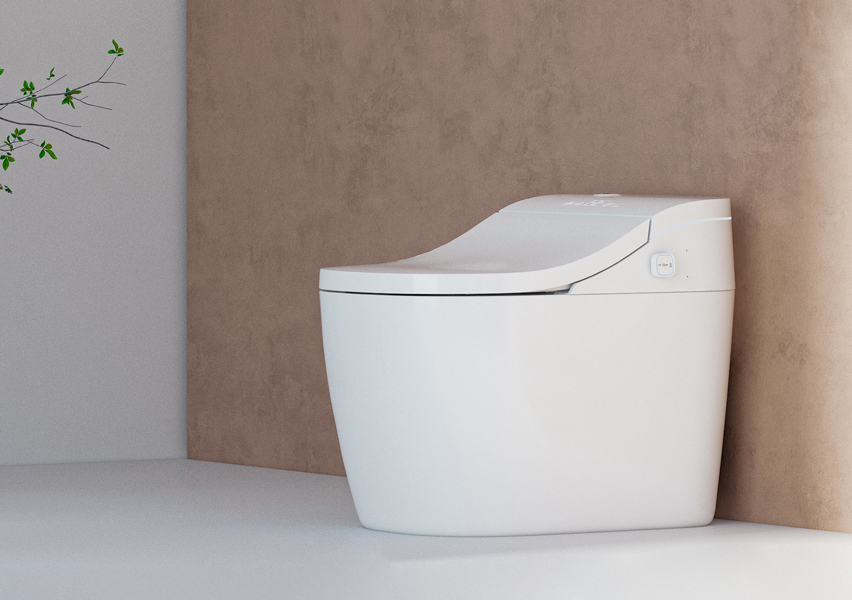
An integrated bidet toilet is an all-in-one smart fixture that merges a ceramic toilet bowl and an advanced bidet system into a single, seamless unit. Unlike standard toilets equipped with attachments, there are no visible water supply lines, exposed wiring, or bulky add-on seats.
Industry-leading models—such as the TOTO Neorest or Kohler Veil—feature ultra-sleek, minimalist designs powered by advanced automation. Standard features typically include motion-activated auto-open/close lids, tankless instant warm water cleansing, heated seats, warm-air dryers, UV self-sterilizing nozzles, and auto-flushing systems. Built primarily for modern luxury bathrooms or full remodeling projects, integrated units deliver unparalleled hygiene, hands-free convenience, and a high-end architectural aesthetic.
What Is an Add-On Bidet Seat?
An add-on bidet seat is an electronic or non-electric unit engineered to replace your traditional toilet seat. Instead of replacing the entire porcelain fixture, you simply mount the bidet seat onto your existing bowl.
Popular models from brands like Brondell, Bio Bidet, and TOTO Washlet connect directly to your bathroom’s existing water supply using a simple T-valve adapter. Electric versions deliver luxury perks—such as heated seats, adjustable water temperature, warm-air dryers, and self-cleaning nozzles—while non-electric alternatives run strictly on ambient water pressure. Ideal for renters and budget-conscious homeowners, add-on seats offer an affordable, non-permanent upgrade that provides premium hygiene without requiring major plumbing overhauls.
Key Feature Comparison: Comfort, Hygiene, and Aesthetics
While both options deliver essential cleansing features, key differences emerge in functionality and visual design:
- Comfort: Both provide heated seats and warm-water spray. However, integrated models add luxury automation like motion-activated lids, foot-sensor flushing, and personalized user presets.
- Hygiene: Both utilize self-cleaning nozzles, but integrated toilets go further with hands-free auto-flushing, bowl pre-misting, and UV-light wand sterilization.
- Aesthetics: Integrated toilets offer a streamlined, tankless silhouette with completely concealed plumbing and electrical wiring. In contrast, add-on seats remain visibly retrofitted onto standard toilets, leaving supply lines and power cords partially exposed.

Financial Breakdown: Upfront Costs and Installation Overhead
When evaluating which bidet fits your budget, the sticker price on the box is only part of the equation. To determine the true cost of ownership, you must look at the complete financial picture—including specialized plumbing, electrical upgrades, and potential professional labor fees. While one option offers a quick, wallet-friendly upgrade, the other represents a major capital investment. Let’s break down the upfront costs and installation overhead to see where your money actually goes.
Initial Purchase Price Tag: Luxury vs. Entry-Level
The upfront price difference between these two options is substantial. An add-on bidet seat is an entry-level investment, typically ranging from $200 to $800 depending on features like warm-air drying and customizable spray settings. Basic non-electric attachments can even be found for under $100, making them extremely accessible.
In contrast, an integrated bidet toilet is a luxury purchase, with price tags generally spanning from $1,200 to over $5,000 for high-end models from brands like TOTO or Kohler. While integrated toilets deliver seamless design and advanced automation, their steep initial sticker price makes add-on seats the clear winner for upfront affordability.
Plumbing and Electrical Requirements
Installing these fixtures involves very different infrastructure needs. Add-on bidet seats connect seamlessly to your existing toilet’s water supply line using a simple T-valve adapter. Non-electric seats require zero electricity, while electric models only need a standard nearby GFCI outlet.
Integrated bidet toilets demand much more precise plumbing and electrical preparation. Most models require a dedicated, concealed GFCI electrical outlet to power high-draw features like continuous water heaters and auto-flushing mechanisms. Additionally, integrated units often need specific water pressure thresholds or relocated shut-off valves. If your current bathroom lacks an outlet near the toilet, these necessary infrastructure adjustments will add hidden labor and complexity.
DIY-Friendly Installation vs. Professional Contractor Costs
Installation costs can dramatically shift your overall budget. Add-on bidet seats are engineered for effortless DIY installation, taking just 15 to 30 minutes using basic household tools and incurring $0 in labor fees. They require no permanent structural modifications, making them perfectly suited for renters and quick bathroom refreshes.
Conversely, integrated bidet toilets almost always require professional installation. Setting up these heavy, high-tech fixtures often demands a licensed plumber and electrician, especially if running new wiring, adding dedicated GFCI outlets, or adjusting plumbing rough-ins. Professional labor typically adds $300 to $1,000+ to your total invoice, significantly inflating the initial investment compared to a self-installed seat.

Beyond the Price Tag: Long-Term Maintenance, Energy, and ROI
A bidet’s true financial impact isn’t just measured by its initial price tag and installation fees—it unfolds over years of daily use. Beyond the setup phase, you must evaluate how each option affects your monthly utility bills, component maintenance, and long-term return on investment. While ongoing electricity and water expenses are remarkably modest for both choices, stark differences emerge when looking at repair risks, product lifespans, and real estate value. Here is what owning an integrated bidet toilet versus an add-on seat actually looks like over time.
Water and Electricity Consumption Over Time
Both options impact monthly utility bills, but operational efficiency depends on heating technology. Mid-range add-on seats often feature heated reservoir tanks, which draw continuous power to keep water warm—though built-in eco-modes help minimize standby energy loss. Premium seats and integrated bidet toilets typically use tankless, on-demand heating systems, drawing power only during active use.
Water consumption increases slightly with either option, but the added cost is negligible—fractions of a cent per use—and easily offset by savings on toilet paper. Overall, electricity costs for both types generally average just $15 to $40 per year, making ongoing utility expenses a minimal factor in your total budget.
Durability, Warranties, and Component Replacement Costs
Add-on bidet seats typically last 3 to 7 years. When components fail outside their standard 1-to-3-year warranties, replacing the entire seat is quick and budget-friendly.
Integrated bidet toilets offer longer lifespans and superior warranties (often 3 to 5+ years). However, long-term maintenance can be complex and expensive. Because integrated units use proprietary electronic parts and custom porcelain housing, repairs often require specialized technicians and costly replacement modules. If a circuit board or pump fails in an integrated toilet, the repair bill alone can easily exceed the cost of a brand-new add-on seat. For minimal maintenance risk and cheap part replacement, add-on seats hold a clear advantage.
Impact on Home Resale Value and Bathroom Aesthetics
Aesthetics and resale value strongly favor integrated bidet toilets. With concealed plumbing, sleek silhouettes, and tankless designs, integrated units serve as luxury focal points in modern bathroom remodels. They deliver a high-end spa aesthetic that appeals to prospective home buyers, often boosting appraisal value and real estate marketability.
Conversely, add-on bidet seats are practical upgrades rather than permanent architectural features. While functional, their visible power cords and retrofitted appearance can look cluttered in upscale spaces. Furthermore, home buyers usually treat bidet seats as personal appliances that are easily removed before sale. If maximizing long-term home value and achieving seamless modern design are priorities, an integrated toilet offers a vastly superior return on investment.

The Verdict: Choosing the Right Option for Your Budget and Lifestyle
Ultimately, choosing between an integrated bidet toilet and an add-on bidet seat isn't about finding a single 'best' product—it’s about matching the right solution to your specific budget, living situation, and long-term goals. While add-on seats provide unmatched value and flexibility for renters and budget-conscious buyers, integrated units deliver a seamless luxury experience that elevates an entire bathroom remodel. To help you make a confident decision, let’s break down who each option is best suited for and review a practical checklist before you buy.
When an Add-On Bidet Seat Is the Smarter Budget Choice
An add-on bidet seat is undoubtedly the smarter choice if you prioritize affordability, flexibility, and fast setup. It is ideal for renters because it installs without permanent plumbing alterations and can easily be removed when moving. Budget-conscious homeowners will appreciate getting premium features—like warm-water sprays, heated seats, and nightlights—at a fraction of the cost of a full toilet replacement.
It is also perfect for small bathrooms with limited space or for anyone wanting to test the bidet lifestyle without a major financial commitment. If you want high-end hygiene performance for under $500 with zero contractor fees, an add-on seat offers unbeatable value.
When an Integrated Bidet Toilet Is Worth the Investment
An integrated bidet toilet is worth every penny if you are undertaking a full bathroom renovation, building a luxury home, or prioritizing high-end interior aesthetics. Its seamless, tankless design eliminates visual clutter, making standard bathrooms feel far more modern and spacious.
Beyond aesthetics, integrated units are ideal for aging-in-place modifications or individuals with mobility challenges, thanks to fully automated features like motion-activated lids, foot sensors, and auto-flushing. If your budget permits a $1,500 to $5,000+ investment, an integrated smart toilet delivers unmatched hands-free convenience, sleek architectural elegance, and lasting resale value to your property.
Practical Buyer’s Checklist: How to Decide Before You Buy
Before making a final purchase, run through this quick decision checklist:
- Housing Status: Are you renting or owning? (Renters should choose add-on seats for effortless removal).
- Total Budget: Is your limit under $500 (seat) or over $2,000 (integrated toilet plus professional labor)?
- Power Access: Is a GFCI electrical outlet already installed within 3 to 4 feet of your toilet?
- Toilet Compatibility: Is your current bowl elongated or round? (Crucial for proper seat fitment).
- Project Scope: Is this a quick 20-minute refresh or a full bathroom remodel?
Evaluating these five factors upfront eliminates costly surprises, ensuring you select the bidet option that perfectly aligns with your budget and space.

Making the Smart Choice for Your Home
Upgrading your bathroom with a bidet is an investment in health, comfort, and sustainability that you won't regret. When choosing between an integrated unit and an add-on seat, remember that there is no single 'right' answer—only the option that best aligns with your current lifestyle and financial goals.
To wrap up:
Choose an Add-On Bidet Seat if you want a budget-friendly ($200–$800), DIY-installed upgrade that offers premium hygiene without permanent plumbing changes or contractor fees. It’s the ultimate choice for renters, small spaces, and quick refreshes.
Choose an Integrated Bidet Toilet if you are planning a full bathroom remodel, desire a modern tankless aesthetic with hands-free automation, and want a luxury fixture that elevates your home’s long-term resale value.
At Joy & Fortune, we believe exceptional hygiene and modern comfort should be accessible at every budget level. As a trusted manufacturer of premium sanitaryware, we engineer both state-of-the-art integrated smart toilets and versatile, high-performance bidet seats—built with durable components, intuitive controls, and sleek designs.
Ready to transform your daily routine? Explore the Joy & Fortune collection today or reach out to our team to find the ideal bidet solution for your home or project!
Related news
-

Public bidets vs. traditional toilet paper: Which is hygienic in a shared restroom
Stepping into a high-traffic shared restroom often comes with a subtle hesitatio
-
What are the best toilet brands for reliability, durability, and budget?
Few fixtures in your home work harder or impact your daily comfort more than the
-
How do I measure my old toilet to make sure the new replacement fits perfectly
Upgrading your bathroom with a modern fixture should be an exciting renovation—n
-
What does "toilet rough-in" mean, and how do I measure mine in 2 minutes?
A toilet rough-in is the clearance distance measured from the finished wall behi
-
Why are cheap bathroom vanities so cheap? Hidden traps like low-grade particle board and missing tops.
At first glance, an ultra-low price tag on a brand-new bathroom vanity feels lik
-
Big-box home store vs. online discount retailers: Where do you get the best deal on bathroom vanities?
Upgrading your bathroom vanity is one of the most impactful choices in any renov




Premium sanitary ware manufacturer since 1992. Delivering reliable global B2B solutions.


Contact
Address: No. 12, Guayuan East Road, Changmei Second Village, Fengxi District, Chaozhou City, Guangdong Province, China
Email: kobol@jfbathroom.com
WhatsApp/Tel: [+86-135-3399-8998]
Working Hours: Mon - Sat: 9:00 AM - 6:00 PM (UTC+8)
Copyright © 2026 Joy&Fortune Ltd. All Rights Reserved.


